Farmland birds between Offley and Lilley, season by season
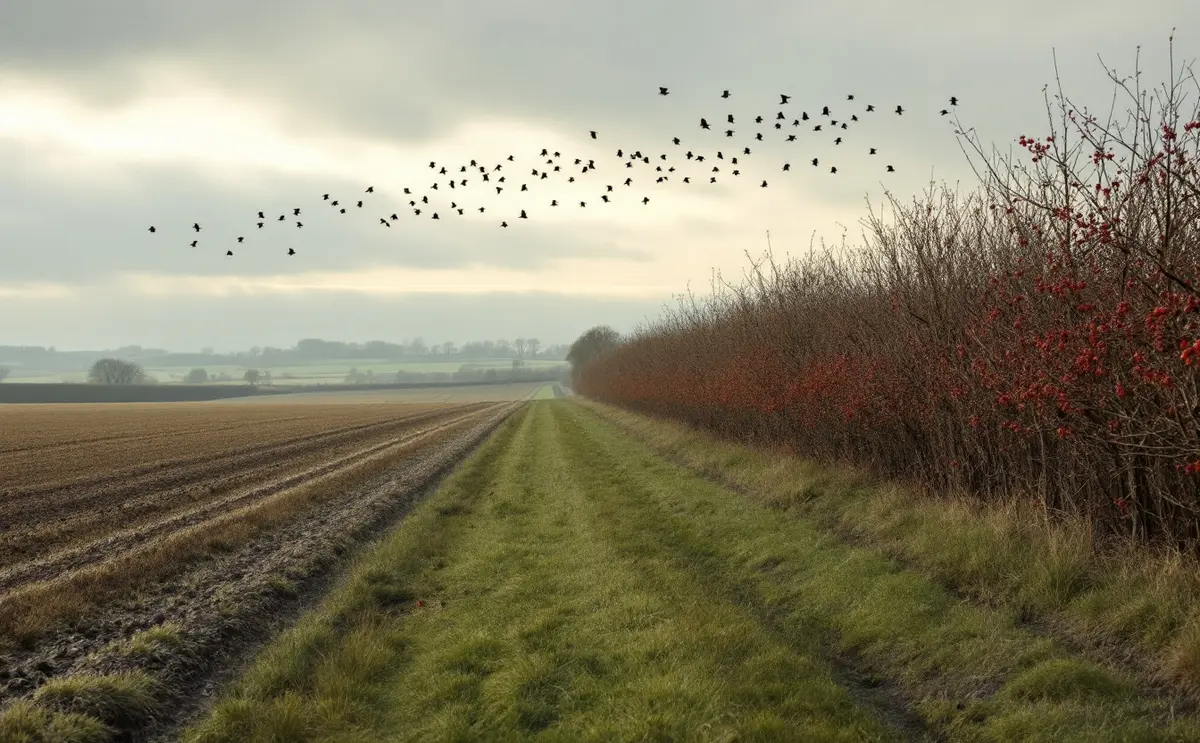
The fields between Great Offley and Lilley look empty from a car. They are wide, pale and flinty, with long hedges and the occasional ash or oak standing alone in the middle of a crop. Walk them and the emptiness fills up. A skylark goes up from almost under your boots. Something small and yellow sits on top of a hawthorn. A kite tilts over the Lilley road with its tail twisting like a rudder.
This is arable chalk country, and the birds that live here are the ones that have learned to make a living from fields, margins and hedges. Many of them are in trouble nationally.
A word on the lists
Throughout, I give each bird's status on the UK Birds of Conservation Concern list, the fifth review published in 2021 by the RSPB, the BTO and partners. Red means the species is of highest concern, usually because of a severe decline in breeding numbers or range. Amber is moderate concern. Green is the rest. A striking number of the birds you meet on these fields are red: skylark, yellowhammer, corn bunting, linnet, grey partridge, lapwing, tree sparrow and fieldfare. Kestrel and redwing are amber. Red kite and buzzard are green, which is a good news story worth telling in its own right.
Spring: the singers
Skylark (red)
If you only learn one bird on the chalk, make it this one. From late winter onwards the males rise straight up from the crop, singing, and keep singing as they climb until they are a speck. The song is a long, fast, liquid stream that seems to have no breaths in it. Then the bird drops, often in stages, and goes quiet in the field.
Skylarks nest on the ground, in short crops and grass, and they need a few bare patches to land and feed. Some farms leave small unsown plots in winter cereals for exactly this reason. You will sometimes see them as odd bare squares in a green field.
Yellowhammer (red)
The male is a startling lemon yellow on the head and breast, with a chestnut rump that shows as he flies off. He likes a song post: the top of a hedge, a wire, a single tall stem. The song is the one children are taught as "a little bit of bread and no cheese", a run of short notes ending in a longer drawn-out one. It goes on through the heat of summer, long after most birds have stopped.
Corn bunting (red)
A plump, streaky brown bird with no obvious markings, often sitting on a post or a wire with its legs dangling when it flies. The song is the giveaway: a dry, jangling rattle, often compared to a bunch of keys being shaken. Corn buntings have declined steeply and are now scarce and patchy. Finding one on these fields is a matter of patience and luck rather than a promise.
Linnet (red)
Linnets move about in small, twittering groups with a bouncing flight. In spring the males have a rosy forehead and a pink-washed breast. They feed on small seeds from weeds such as fat hen and charlock, so they follow the untidy corners of a farm: field margins, tracks, the edge of a game crop.
Lapwing (red)
In spring a lapwing over a field is unmistakable. The broad, rounded wings make a throbbing sound in display, and the bird tumbles and calls "pee-wit" as it goes. Lapwings nest on bare or sparse ground, including spring-sown fields, and will mob crows that come too close. In winter they gather in flocks on ploughed land and grass, and the flocks shift about with the weather.
Summer: the residents get busy
By June the song has thinned and the hedges are full of fledglings. This is the season to sit still by a gateway and watch the traffic along a hedge base. Yellowhammers carry food down into the bottom of thick hawthorn. Linnets nest in gorse and thick hedges. Skylarks may try for a second or third brood.
Grey partridge (red)
A small, round, rusty-faced gamebird that crouches rather than flies. They pair up in late winter and nest in the grass at hedge bottoms and in field margins. The call, usually at dusk, is a creaking "kirr-ick" that sounds like an unoiled gate. Grey partridges depend heavily on insects for their chicks in the first weeks, which is one reason that margins left unsprayed matter so much.
Kestrel (amber)
The bird that hangs in the air. A kestrel hovering over a verge or a grassy bank, head perfectly still while the wings and tail work, is watching for voles.
The birds of prey you will see all year
Red kite (green)
Thirty-odd years ago you would not have seen a red kite here at all. The species had been lost from England. From 1990, young kites taken from nests in Spain were released in the Chilterns, in a scheme run by the RSPB and what was then the Nature Conservancy Council (later English Nature). The birds bred, the population grew, and they spread out along the chalk. Now they are an everyday sight over these villages.
Look for the long, angled wings, a russet body and, above all, the deeply forked tail that twists as the bird steers. The call is a thin, wavering whistle. Kites are mainly scavengers and will drift low over fields being cut or ploughed.
Buzzard (green)
Broader and more compact than a kite, with a short, fanned tail and no fork. Buzzards soar in wide circles on warm days, often in pairs, and give a mewing "pee-oo" call that carries a long way. They sit for long periods on fence posts and in hedgerow trees, which is when you get your best look.
Autumn and winter: the visitors
When the stubbles are ploughed and the hedges are heavy with haws, the birds change.
Fieldfare (red) and redwing (amber)
These are the winter thrushes. Fieldfares are big, with a grey head and rump, a chestnut back and a speckled breast. They travel in loose flocks and give a harsh "chack-chack" as they go. Redwings are smaller and neater, with a cream stripe over the eye and a rusty patch under the wing.
On still nights in October you can hear redwings arriving overhead, a thin "seep" call coming down out of the dark. By November the flocks are working the hawthorn hedges and then dropping into fields to feed on worms. On a frosty morning the hedges along the tracks towards Lilley Hoo can be full of them. There is more on that open ground in the piece on Lilley Hoo and its racing past.
Both are listed for their tiny UK breeding populations, not for the winter birds, which come from Scandinavia and further east.
Tree sparrow (red)
The tree sparrow is the country cousin of the house sparrow: smaller and neater, with a chestnut cap and a black spot on a white cheek. In flight it gives a hard "tek tek". It has declined so severely that it is a rare sight in much of southern England. If you see sparrows feeding at a farmyard or a winter seed strip, it is worth a second look.
Winter flocks
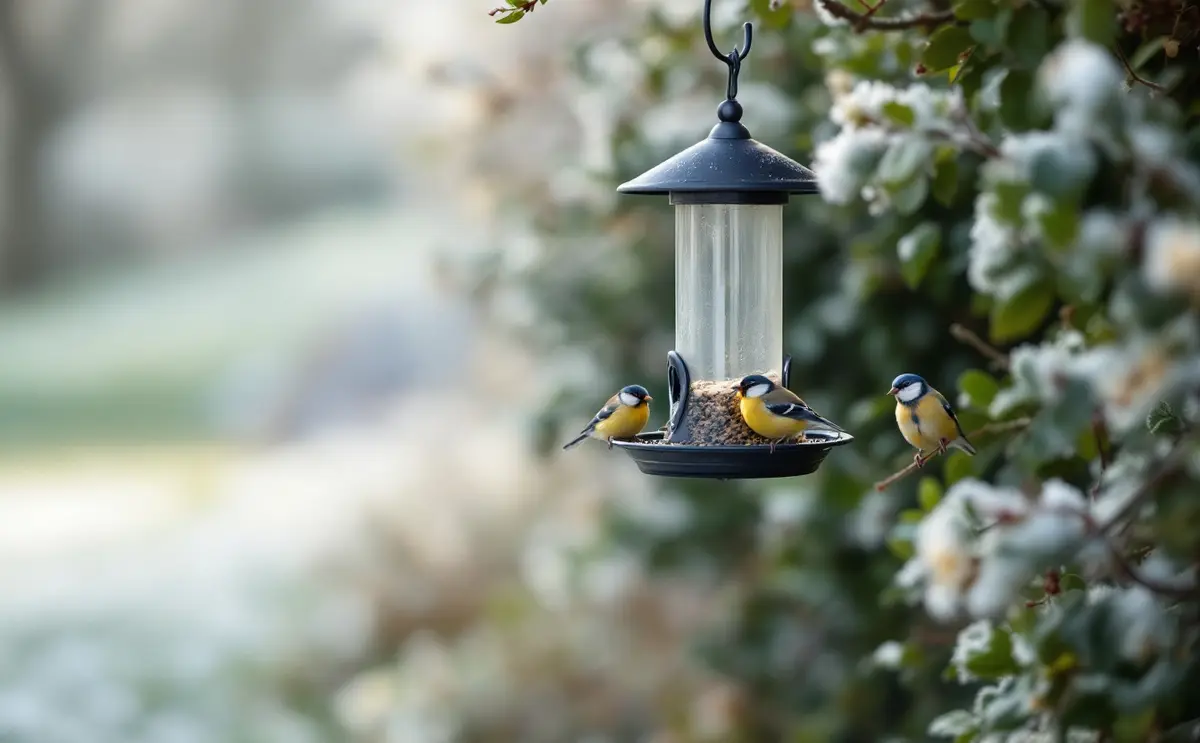
Winter is when the buntings, finches and linnets gang up. Look for mixed flocks feeding on stubble left over winter, on strips of wild bird seed crop and along tracks where spilt grain lies. A flock will lift together into the nearest hedge when a sparrowhawk comes through, then trickle back down. The flocks are noisier and easier to find than the scattered pairs of summer.
Field margins and hedges
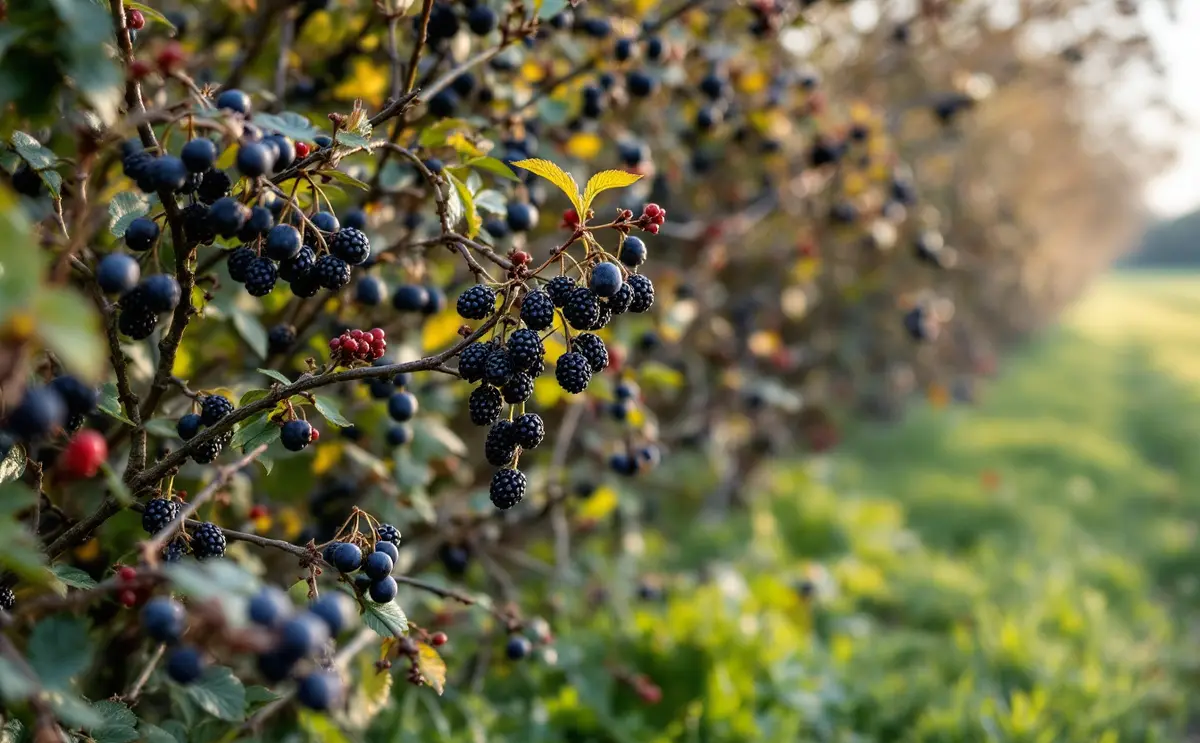
Almost every bird in this piece depends on the edges of fields rather than the middles. The hedges give song posts, nest sites and winter berries. The grass strips and margins give insects for chicks in summer and seeds in winter. Thick hedges cut on a rotation, rather than every year, carry more berries, because hawthorn flowers and fruits on the previous year's wood.
When you walk the Offley circular walk, notice how the birds bunch up wherever a hedge is thick and a margin is wide, and how quiet a field is where the crop runs right to a thin, flailed hedge. It is a better lesson in farmland conservation than any leaflet.
How to watch without disturbing
- Stay on the rights of way. Skylarks, lapwings and partridges nest on the ground, in the crop, and a walker off the path can put a bird off its eggs without ever seeing the nest.
- Keep dogs on a lead or close to heel in spring and early summer. A dog working a field edge does far more disturbance than a person.
- If a lapwing is calling and diving at you, you are close to a nest or chicks. Keep moving along the path.
- Use the hedge. Standing still against a hedge or in a gateway, you vanish. Walking along the skyline, you are the most obvious thing for a mile.
- Let flocks be in winter. Food is short and cold nights are long. A flock that is flushed again and again is using energy it cannot spare.
What to take
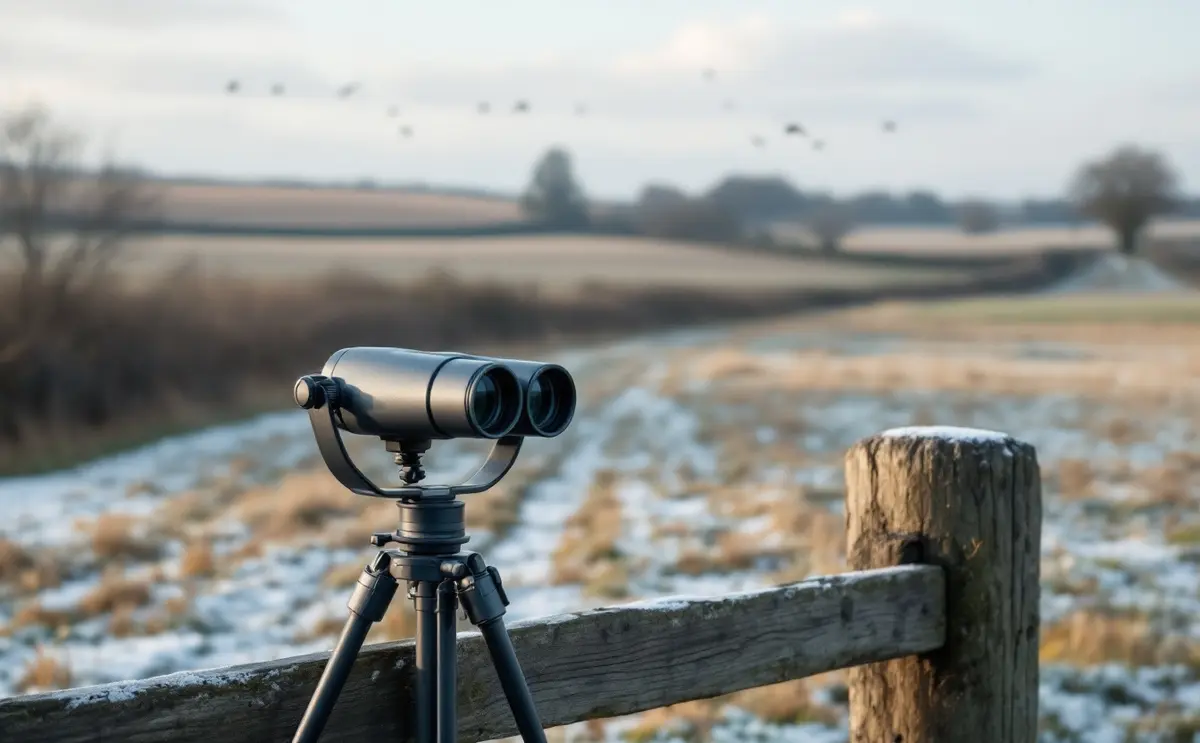
Binoculars are the main thing: on open fields, birds sit far off. For a book, the Collins Bird Guide remains the standard field guide in Britain, with plates that put similar species side by side, which is exactly what you need when you are trying to tell a corn bunting from a female yellowhammer. Most of the time, though, your ears will find the birds before your eyes do.
The season table
| Species | UK list (BoCC5) | Best season here | Listen for | Look for |
|---|---|---|---|---|
| Skylark | Red | Feb to July | Long, unbroken song high overhead | Bird rising straight up from crop |
| Yellowhammer | Red | All year, song Mar to Aug | "Little bit of bread and no cheese" | Yellow head on hedge top |
| Corn bunting | Red | Spring and summer | Dry jangle like shaken keys | Plump brown bird on post or wire |
| Linnet | Red | All year, flocks in winter | Twittering in bouncing flight | Rosy forehead on spring males |
| Grey partridge | Red | All year, calls at dusk | Creaky "kirr-ick" | Small rusty-faced birds crouched in field |
| Lapwing | Red | Display in spring, flocks in winter | "Pee-wit", wing throb | Broad rounded black and white wings |
| Kestrel | Amber | All year | Shrill "kee-kee" near nest | Hovering over verges and banks |
| Red kite | Green | All year | Thin, wavering whistle | Deeply forked, twisting tail |
| Buzzard | Green | All year | Mewing "pee-oo" | Broad wings, short fanned tail |
| Fieldfare | Red | Oct to Mar | Harsh "chack-chack" | Grey head and rump in hedge flocks |
| Redwing | Amber | Oct to Mar | Thin "seep" at night | Cream eyestripe, rusty underwing |
| Tree sparrow | Red | All year, scarce | Hard "tek tek" in flight | Chestnut cap, black cheek spot |
Treat the seasons as a rough guide. Birds do not read tables, and a mild winter or a late spring shifts everything by weeks. The best way to learn these fields is to walk the same stretch in every month and notice who has arrived, who has gone, and who has been there all along.
Bryony spends early mornings on field edges listening for skylarks and yellowhammers. She writes about farmland birds, hares, wild flowers and the life of the hedges.