Painting the outside of an old house without upsetting the house martins
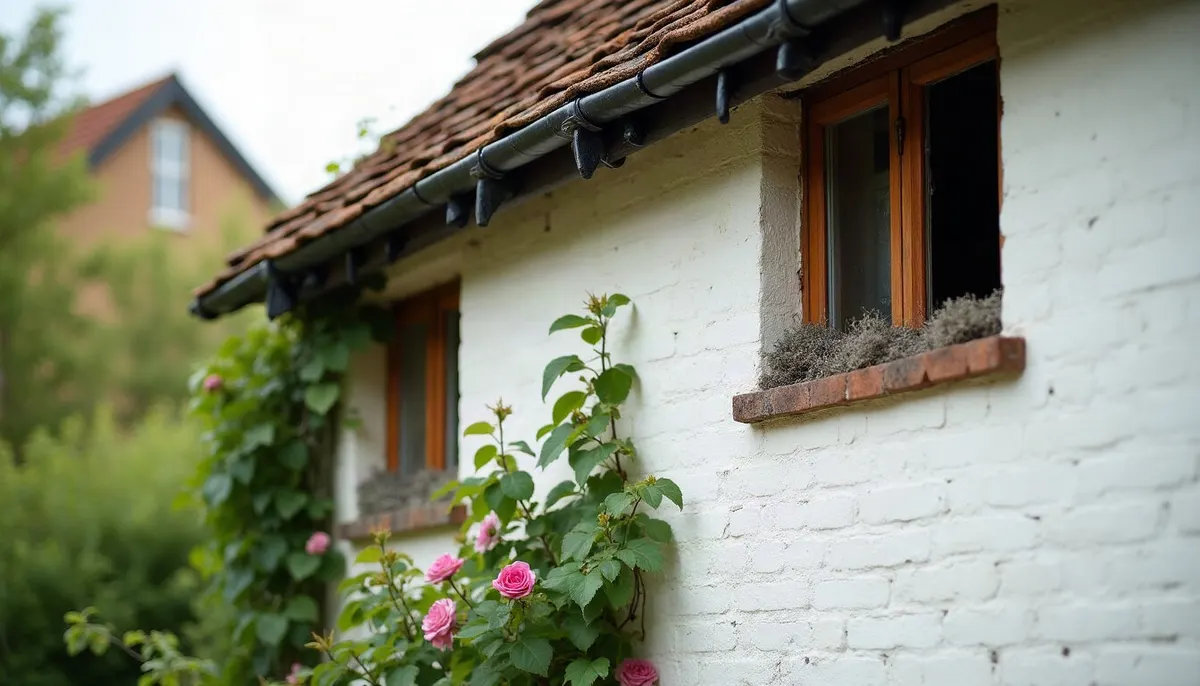
The first house martins arrive back under the eaves in spring, and you hear them before you see them. They build mud cups tight under the overhang, exactly where a painter needs to work. So the question I ask before any outside paint job is not which colour, but who lives on the walls. If you live in Colorado and are wondering what to ask about house painting Colorado Springs companies offer, put the wildlife question on your list alongside the paint.
This piece follows the calendar rather than the paint chart. It starts with the creatures that use the outside of an old house, moves on to the weather that decides when paint will take, and ends with the questions worth asking whoever does the job. Painting a house well and keeping its lodgers safe turn out to need much the same thing: good timing.
Who lives on the outside of a house
An old cottage is a cliff with a garden attached. House martins nest under the eaves. Swallows prefer the inside of open sheds, stables and porches. House sparrows tuck into gaps under the tiles and behind loose fascias. Starlings find holes in the roof line. On summer evenings bats may slip out from under a ridge tile or a gap in the boarding, and they are easy to miss if you are not watching at dusk.
Then there are the smaller tenants. Solitary bees use crumbling mortar. Spiders and moths overwinter in cracks around window frames. Ivy and climbing roses shelter nesting blackbirds and wrens in spring and give insects somewhere to sit out the cold. Wasps build papery nests under soffits and in roof spaces, and they are not lodgers anyone wants a painter to disturb by surprise.
None of this means an old house cannot be painted. It means the outside of a house is busier than it looks, and a few weeks of patience at the right moment can save a lot of trouble.
Reading the calendar before the paint
The nesting season runs roughly from early spring to late summer, and some birds, house martins among them, will raise more than one brood and keep using a nest well into the autumn. Bats have their own rhythm, gathering in summer roosts and moving to quieter places for the winter. In many places active nests and roosts are protected, so the safe rule is simple: check before you disturb them, and take advice from a wildlife professional if you find something.
That leaves a few windows for outside painting that suit both the wildlife and the paint. Late summer into early autumn, once the young have flown, is often the best of them. Early spring, before the birds return, can work too if the weather allows. Midsummer, when every eave is full, is usually the worst time to put ladders against the walls.
A short walk round the house at different times tells you a great deal:
- at dawn in spring, listen for birds coming and going from one spot under the eaves
- at dusk in summer, watch the roof line for bats leaving
- after a warm afternoon, look for wasps flying in and out of the same gap
- in autumn, check whether old nests still have birds using them
Write down what you see and where. A painter can plan around a note far more easily than around a nest found halfway up a ladder.
Sun, wind and old walls
The weather has the next say. On the open chalk tops the wind dries paint fast on a breezy day and drives grit into it on a gusty one. South-facing walls bake in summer and peel first. North walls stay damp and grow green streaks. Paint goes on best in mild, settled weather, not in frost or rain and not in the full glare of a hot afternoon.
Old walls bring their own questions. Many cottages here have soft brick, flint or lime render that needs to let moisture out. A finish that seals the wall can trap damp behind it and make the paint fail sooner. Older houses may also carry layers of old paint containing lead, which should only be tested and dealt with by people who know how to do it safely. A careful painter will look at what is on the wall before deciding what goes over it.
Colorado Springs sits high, with strong sun, dry air and cold winters, and from what I understand that is hard on paint in its own way: colours fade, wood dries out, and a sudden cold night can catch a fresh coat. The details differ, but the principle is the same as on our hill. Paint does well when it suits the wall and the weather, and badly when it is forced.
Notebook margin: On the chalk, the walls that take the weather are easy to spot: the green streaks, the lichen and the soft, worn mortar all sit on the side facing the prevailing wind. They are often the same walls the house martins favour, which tells you something about the shelter under their eaves.
What to ask a painter
A good painter will be glad of an informed customer. These are the questions I would bring to the first conversation, wildlife first and paint second.
Questions for the first visit
- Will you check the eaves, roof line and climbers for nests, roosts and wasps before setting up?
- When would you plan the work, given what is living on the walls?
- How will you prepare the surface, and what will you do about old paint?
- What finish do you suggest for an older wall, and why?
- How will you deal with gaps and cracks without sealing anything in?
That last question matters more than people think. Filling every gap in a soffit before painting can shut a bat or a nesting bird inside, or trap wasps where they will chew their way out somewhere else. A sensible approach is to check each gap is empty first and to leave anything occupied until it is not.
It is also worth asking about tidiness. Paint scrapings, dust and dropped flakes do not belong in a garden pond or a bird bath, and a careful crew will sheet the ground and clear up properly. Ask, too, whether they will leave a martin's nest that is not in the way of the work, since many people like to see the birds return.
Any work at height, on roofs or around wiring and lights on the outside wall is for professionals with the right equipment. My part, as the person who lives in the house, is to know who else lives there and to say so.
The year on the chalk
- Winter: walk round the house and note peeling paint, soft mortar and gaps under the eaves.
- Spring: listen at dawn for birds nesting under the roof line before any work is booked.
- Summer: watch for bats at dusk and leave the walls to the birds while broods are raised.
- Autumn: once nests are empty, have the painting done in mild, settled weather.
A freshly painted cottage looks lovely in October, and it looks even better in April when the martins come back and find their eaves just as they left them.

Bryony spends early mornings on field edges listening for skylarks and yellowhammers. She writes about farmland birds, hares, wild flowers and the life of the hedges.