Swifts under the eaves: planning a new heating system around the wildlife calendar
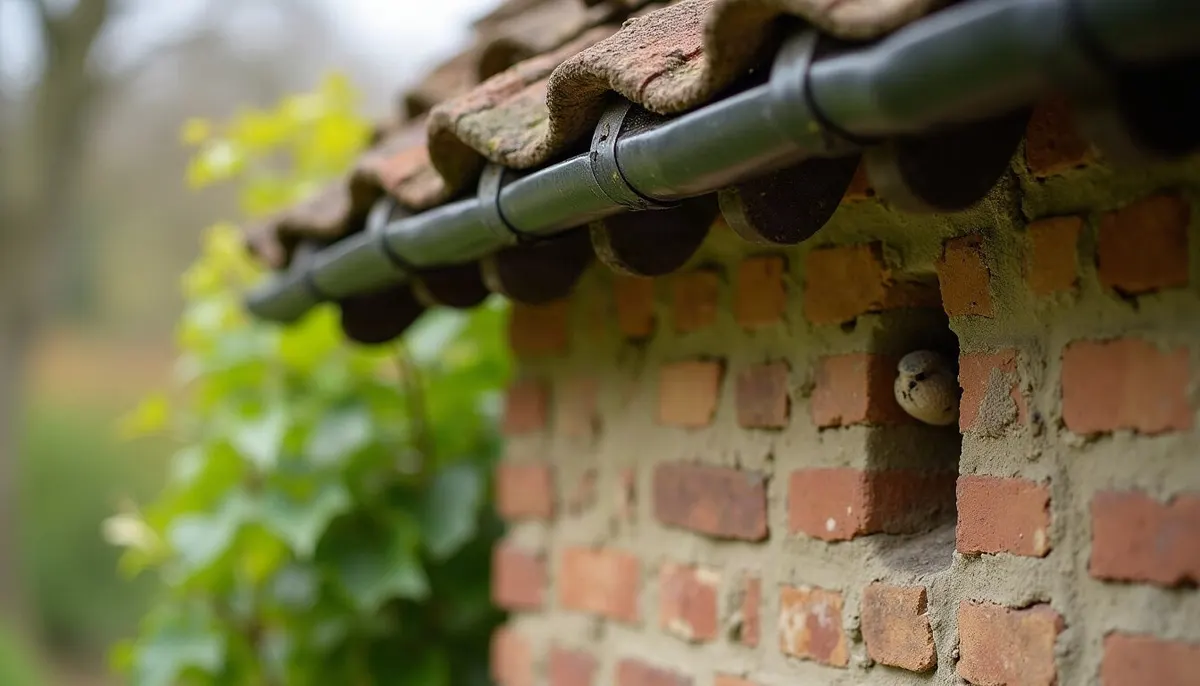
Every May the swifts arrive screaming over the lane, low and fast between the rooftops, and within days they are slipping in and out of gaps under the eaves. It is also the time of year when people start thinking about cooling the upstairs rooms, and my first thought about any new system is the swifts.
Ductless heat pumps, often called mini splits, are popular in many places, including the dry, sunny, cold-wintered parts of Colorado, and if you live there a firm offering mini split installation Castle Rock can walk round the house with you before anything is drilled. New heating and cooling work meets the wildlife calendar more often than people expect, because both happen at the edges of a house: under the eaves, in the roof space, along the wall where the hedge runs close. Wherever you are, a little planning around what lives in and beside your walls makes the job kinder and often smoother.
Listening to the house before the work starts
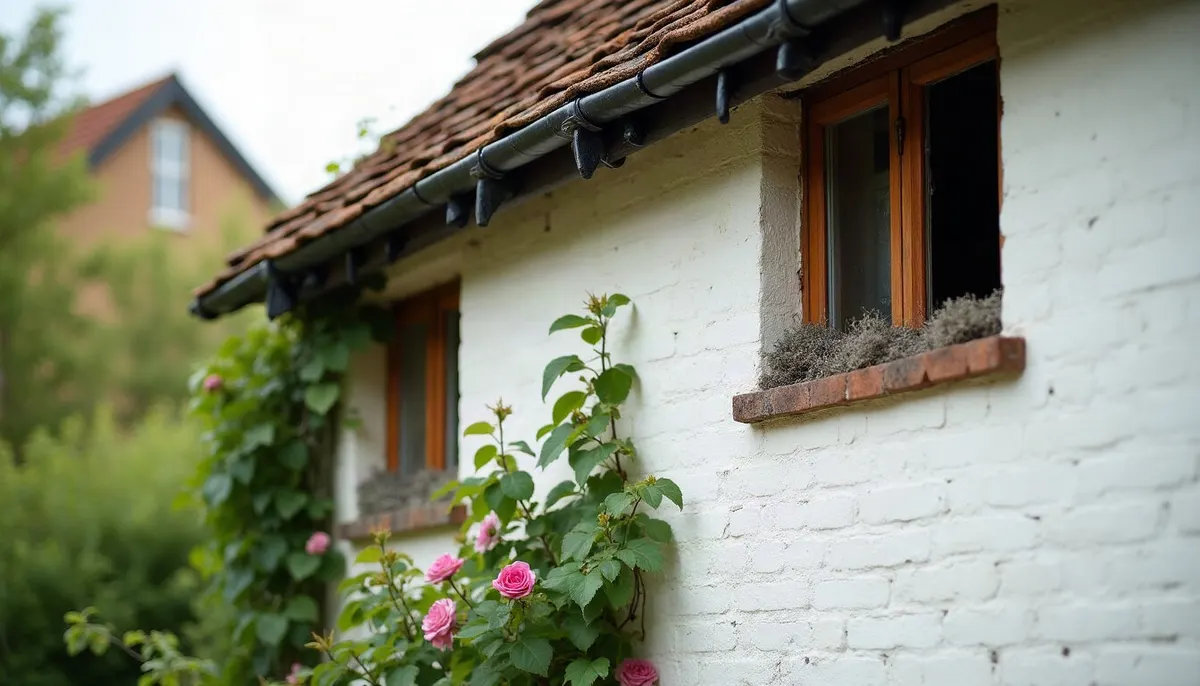
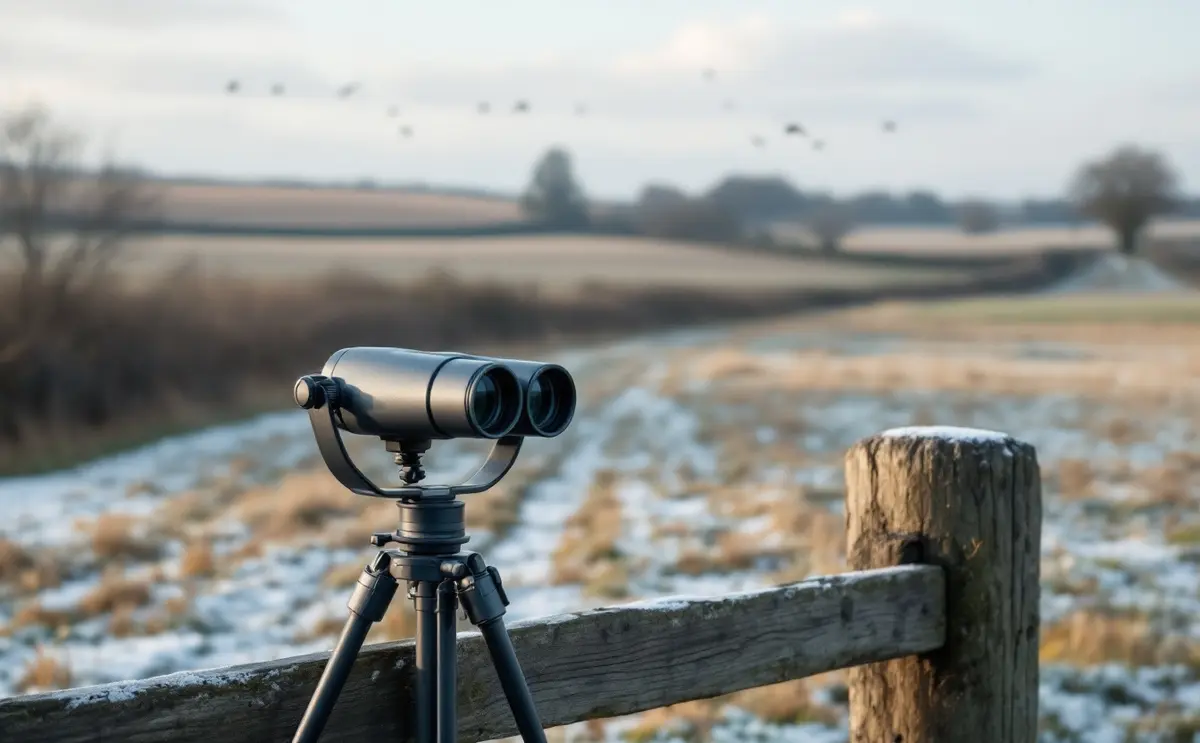
Spend a few early mornings and dusks simply watching your own walls. It sounds like a hobby rather than preparation, but it tells you things no plan will. House martins build their mud cups tight under the eaves and come and go all summer. Swifts use gaps in the roofline and are gone again by late summer. Sparrows tuck into any hole in old brickwork or behind a loose fascia board. At dusk, a few flickering shapes leaving the gable end may mean bats are using the roof.
None of this means the work cannot go ahead. It means you want to know where the busy spots are before anyone decides where a pipe will come through a wall or where the outdoor unit will stand. A good installer will ask about the layout of the rooms and the walls; it helps if you can also say, "The birds use that corner, so could we look at the other side?"
Keep a short list as you watch:
- which stretches of eaves have nests or regular comings and goings
- any gaps where birds or bats seem to enter the roof
- where the hedge, climbers or ivy press closest to the house
- quiet corners of the garden where hedgehogs or frogs shelter
The outside unit and the garden edge
A ductless system has two halves: the slim unit indoors and a compact box outside that does the work of moving heat. Where that outside box goes is the part that touches the garden most. It needs air moving around it, a firm base, and space to be reached for servicing, and those are decisions for the installer. What you can bring is knowledge of how your garden is used by everything else.
Up here on the chalk the obvious spot is often against a sheltered wall, which is also where the hedge runs, where the blackbirds feed under the shrubs, and where a hedgehog might have a winter nest in the leaf litter. A unit pressed into the base of a hedge is not good for the hedge, and the hedge is not good for the unit either: leaves and twigs collect around it, and trimming becomes awkward. A clear, open patch of wall a little away from the planting tends to suit everyone.
Think about noise and warm air too. The outdoor box hums and moves air when it runs. If you have a bird feeder, a pond or a log pile you are fond of, mention it, and ask whether the unit can sit where its breath and sound fall on a path or a bare wall rather than on your quietest corner.
Keeping the base wildlife friendly
Once the position is settled, the ground around it is yours to manage. Leave a gap between the unit and any new planting so leaves do not pile against it. If you lay gravel or slabs for the base area, a narrow strip of low plants nearby can still give insects somewhere to go. Check now and then, especially in autumn, that nothing has made a nest in the sheltered space around it.
Walls, eaves and the roof space
The indoor unit connects to the outside one through a small hole in the wall, carrying the pipework and cable in a tidy run. On a modern house that may be straightforward. On an old flint-and-brick cottage, with thick walls, uneven courses and timber hidden in odd places, it deserves more thought, and the routing and drilling are firmly a job for the professionals.
From a wildlife point of view, the question is what sits on the outside of that wall. A run of pipe trunking that climbs past an active house martin nest or crosses the gap swifts use under the eaves can disturb birds during the most sensitive part of the year. Asking the installer to route around those spots, or to lower the run, is a fair request. If any part of the work goes into the roof space, or needs scaffolding near the eaves, the timing matters even more.
In the UK, nesting birds and roosting bats are protected, and the sensible approach is simple: check before you disturb nests or roosts, and if there is any sign of bats, ask for advice before work in the roof goes ahead. Your installer may well have met this before. If not, a local wildlife group or an ecologist can tell you what to look for.
Notebook margin: Old cottages in chalk country are full of small gaps: soft lime mortar weathering out of flint walls, clay tiles that have slipped a fraction, timber that has shrunk away from the brick. Birds and bats find those gaps long before we do, so any hole drilled through an old wall is worth sealing neatly afterwards, inside and out.
Timing the job around the wildlife calendar
The easiest way to avoid trouble is to pick your season. For most of our garden birds, the busy nesting months run from early spring into late summer, with swifts and house martins often still feeding young well into August. Bats are active in the warmer months and may hibernate in cool, undisturbed spots over winter. That leaves autumn and early spring as natural windows for outside work on the walls and eaves, though every house is different.
The trouble is that heating and cooling work tends to be booked when it is needed: in the first cold snap, or in a hot spell when the upstairs rooms become unbearable. If you can plan ahead, book the survey in a quiet month and the installation in a quiet season. A cold, clear day in late autumn, after the swifts have gone and before the winter roosts settle, is often a good time to have people working on the outside of the house.
This applies in Colorado as much as in Hertfordshire. Wherever you are, birds will use the house in the warm months, and a sensible installer is usually glad to know about it before the ladders go up.
Questions to ask at the survey
Most of these are practical, and none of them should surprise a professional:
- Where would the outside unit go, and is there another wall that would work?
- What route would the pipework take on the outside of the house?
- Will any work happen in the roof space or near the eaves?
- How will the hole through the wall be sealed afterwards?
- What regular servicing does the system need, and how is the outdoor unit reached for it?
Living with the new system and the neighbours
Once the system is in, a few habits keep it working well and keep the garden welcoming. Clear leaves and twigs from around the outdoor unit in autumn and after winter storms. Keep climbers from growing over it. In a cold, snowy winter, see that drifting snow is not piling against it, and leave anything more than gentle clearing to the people who service it. If the unit or the indoor heads stop behaving as they should, call the installer rather than opening anything up; refrigerant and electrics are not garden jobs.
Indoors, a comfortable house makes it easier to enjoy the outdoors in all weathers. I find I spend more time at the window on frosty mornings when the room behind me is warm, and there is always something to see: fieldfares on the hawthorn berries, a wren working along the bottom of the wall, a hare sitting very still at the edge of the stubble.
Keep your notes from the first summer of watching. They will be useful again the next time anyone needs to work on the walls, the roof or the gutters, and they make a good record of who shares the house with you.
The year on the chalk
- Winter: keep the outside unit clear of drifted snow and fallen branches, and leave roof spaces undisturbed where bats may be resting.
- Spring: watch the eaves at dawn and dusk to see which corners the nesting birds are using before any outside work is booked.
- Summer: enjoy the swifts and house martins, and keep ladders and drills away from the busy stretches of wall until they have finished.
- Autumn: book surveys and outside work once the nests are empty, and clear leaves from around the outdoor unit.
A warm house and a busy roofline can live side by side, as long as someone listens to the birds before the first hole is drilled.

Bryony spends early mornings on field edges listening for skylarks and yellowhammers. She writes about farmland birds, hares, wild flowers and the life of the hedges.