Outside taps on chalk: what a hard frost teaches you about garden plumbing
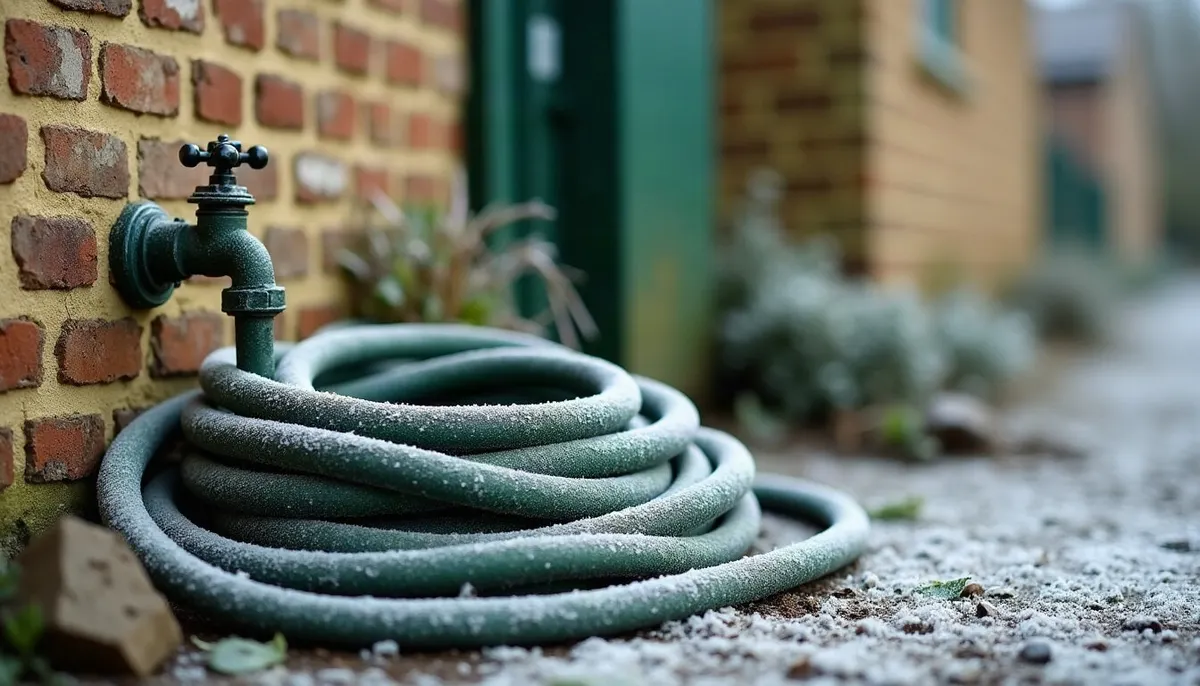
There is a particular sound an outside tap makes on a January morning when it has frozen: nothing at all. You turn the handle for a can of water and the spout stays dry. Ice in a pipe does its damage quietly and shows it later, which is why garden plumbing deserves more thought than it gets. The help you need ranges from routine leak checks to an emergency plumber san fernando households in California might ring when a pipe splits, and the principles travel well.
This piece is a gardener's notebook rather than a manual. It covers what the chalk and the weather do to pipes outside, how I look after an outside tap and a water butt through the year, and when the sensible thing is to stop, turn off the water and call someone who does this for a living.
Thin soil, hard water and an exposed hill
Chalk drains fast. That is a blessing for lavender and a curse for anything that needs moisture in July, and it also means the ground holds little warmth in a cold snap. On the open tops above the villages, a north-easterly wind can take the heat out of a wall, and any pipe fixed to it, far quicker than in a sheltered town garden. An outside tap on an old flint cottage was usually added long after the house was built, and the pipe that feeds it often runs along the wall that faces the weather.
The water is the other half of the story. Water that has passed through chalk is hard, and hard water leaves limescale wherever it sits and dries. Indoors you see it on kettles and shower heads. Outside, it builds up in tap washers and hose fittings, so a tap that drips in October is often a tap that a crust of scale has stopped from closing properly.
A few signs tell you an outside pipe is struggling:
- a tap that keeps dripping after you have closed it firmly
- a damp patch or a green stain on the wall below the pipe
- a hose connector crusted white and hard to turn
- a pipe that knocks or shudders when the tap is opened
None of these is an emergency on its own. Each is worth noting in the garden book, because they tend to arrive together in the first proper frost.
What a frost actually does to a pipe
Water expands as it freezes. In a pipe it has nowhere to go, so the pressure builds until something gives, usually a joint or a weak spot in the run. The odd thing, and the one that catches people out, is that you rarely see the damage during the freeze. The ice holds the split closed. It is the thaw, often a mild wet morning after a hard week, that reveals it, with water running down the wall or pooling at the foot of the border.
Lagging helps, and an indoor isolating valve helps more, because it lets you drain the outside run before the cold arrives. Plenty of older houses never had one fitted, and many outside taps were plumbed in by whoever owned the house at the time with whatever was to hand. If you do not know whether your outside tap can be shut off from indoors, find out on a mild autumn day rather than on a freezing evening with a torch in your teeth.
Before the first hard frost
- Find the main stopcock and check that it turns. If it is stiff, do not force it: an old valve can snap, and that is a plumber's job.
- Close the indoor valve for the outside tap if there is one, then open the outside tap to let the pipe drain.
- Take the hose off so water is not trapped in the fitting.
- Fit a tap cover or wrap the exposed pipe in lagging.
The allotment, the water butt and the greenhouse
An allotment teaches you about water storage quickly. Most of us lean on water butts fed from a shed or greenhouse roof, and in a dry chalk summer they are worth more than any gadget in the shed. They also freeze. A full butt in January can split along its seams, and the tap near the base, where the scale and the cold both gather, is often the first part to fail.
I let mine drop to about a third full in late autumn, which leaves room for ice to expand and still gives the birds somewhere to drink once the surface thaws. A lid keeps the leaves out and slows the freeze. In March I check the base tap and the downpipe diverter for cracks before I rely on them, because a slow leak at the bottom of a butt can empty it overnight without anyone noticing until the courgettes start to sulk.
The greenhouse has its own small plumbing: a hose run, perhaps a tap fixed to a post, sometimes a trickle system for the tomatoes. Anything that holds water over winter will freeze, so I drain what I can, bring the soft fittings indoors and leave the rest open to the air.
Notebook margin: On the chalk you can often find a leak by looking at the plants. A strip of unusually lush grass, or a clump of weeds doing far better than their neighbours in a dry spell, usually means water is getting somewhere it should not, and on soil this thirsty a leak is hard to hide for long.
When the trouble starts indoors
Some of what looks like garden trouble begins inside the house. A damp patch at the base of an outside wall can come from a leaking supply pipe, a blocked gully or a cracked drain, and old cottages often have drains running under the garden in clay pipes laid long ago. Roots find the joints in those pipes, especially in dry summers when water is scarce in thin soil, and over time a drain that ran freely starts to back up after heavy rain.
This is where I stop being a gardener. Drains, supply pipes and anything connected to the boiler or the water heater are jobs for a qualified plumber. A good one will trace where the water is coming from before replacing anything, explain what they found in plain language, and tell you honestly whether it can wait for a dry week or needs doing now.
Knowing when to call someone
There is a difference between a job for the spring list and one that cannot wait. A drip at an outside tap, a water butt with a cracked tap or a hose fitting crusted with scale can wait. Water running where it should not, a ceiling that is wet below a bathroom, no water at all after a frost, or a drain backing up into the house cannot. The first step in every one of those is the same: turn the water off at the main stopcock.
After that, ring a plumber and describe what you can see: where the water is, when it started and whether the supply is off. The same order of things holds whether your garden sits on a frosty hill in Hertfordshire or somewhere warm and dry in California, where frost is rare but age, heat and hard use bring their own trouble to old pipes. It helps to know before you need it where the stopcock is, whether the outside tap has its own valve and who you would call out of hours. That last one is easy to put off, and it is the one you will most wish you had sorted when the ground is white and the pipe by the back door has just given way.
The year on the chalk
- Winter: know where the stopcock is, and keep the outside tap drained and covered.
- Spring: check the water butt seams and its base tap before the first dry spell.
- Summer: watch for unusually green patches in the lawn or border that may mean a hidden leak.
- Autumn: take the hoses off, lag the outside pipe and clear leaves from the gullies.
The plants will tell you a great deal, but the pipes only speak up when it is too late, so I listen to them in October.

Alice gardens on thin, flinty chalk and keeps an allotment that teaches her something new each season. She writes about cottage plants, vegetables and gardening with birds in mind.