What the mud season teaches you about keeping a shared building clean
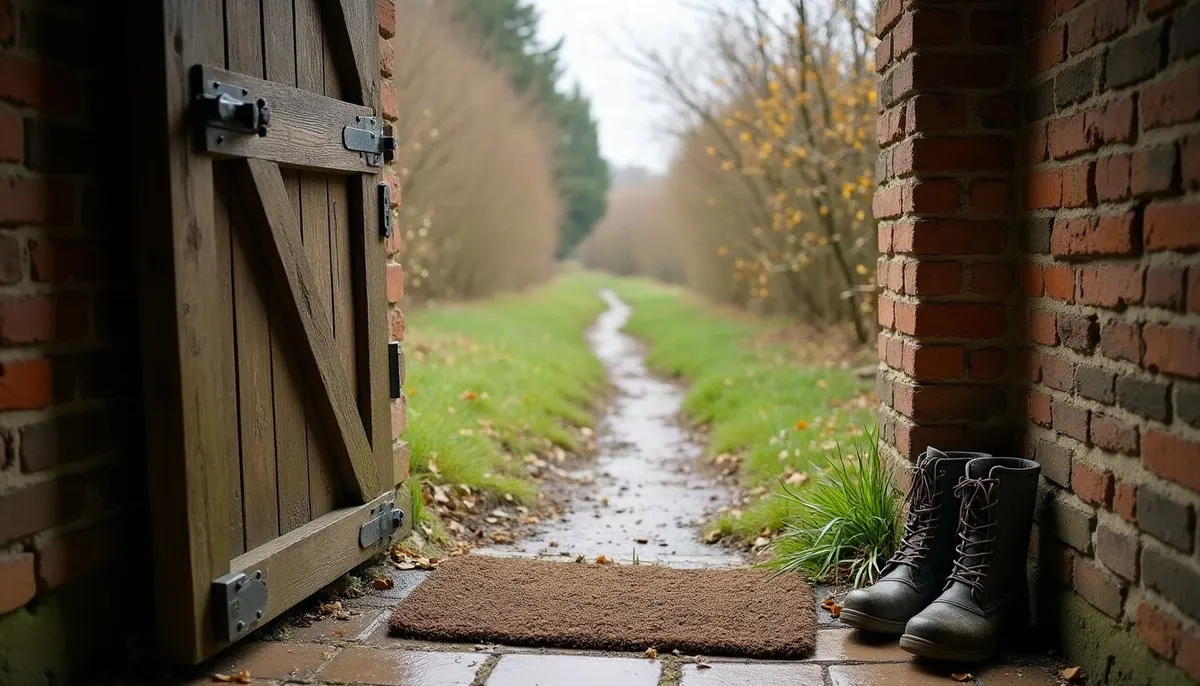
On a grey November morning the fieldfares come over the hill in chattering flocks, and below them the lane turns to white paste. Every boot that walks up it carries some of that chalk indoors, and in a shared building with people in and out all day, the floor looks tired by lunchtime.
For readers who run a workplace in the rainy Pacific Northwest, planning with a cleaning company Olympia WA is easier when you already know where the dirt comes in, when it arrives and what is worth protecting. This piece is about keeping a shared workplace clean through the muddy half of the year without making life harder for the birds and small creatures that live around it.
Mud season starts in the fields
Out here the year is told in birds as much as in months. The swallows leave in early autumn, the winter thrushes arrive, and soon after that the ploughing and drilling are done and the tracks are churned. From then until the ground firms up in spring, anything with a doorway onto a yard or a lane takes in a steady trickle of wet chalk, flint grit and leaf litter.
Chalk mud is its own trouble. When wet it smears, and when it dries it turns to a fine pale dust that settles on sills, shelves and keyboards and works its way into carpet pile. Flint grit is sharper. Walked across a hard floor it scratches, and walked into a carpet it sits at the base of the fibres and wears them from below. Dead leaves bring damp with them and leave brown stains if they lie for long under a door.
It helps to think about the ground outside before anything inside. A few simple things cut what reaches the floor:
- A firm, well-drained path to the door rather than a trodden line across the grass
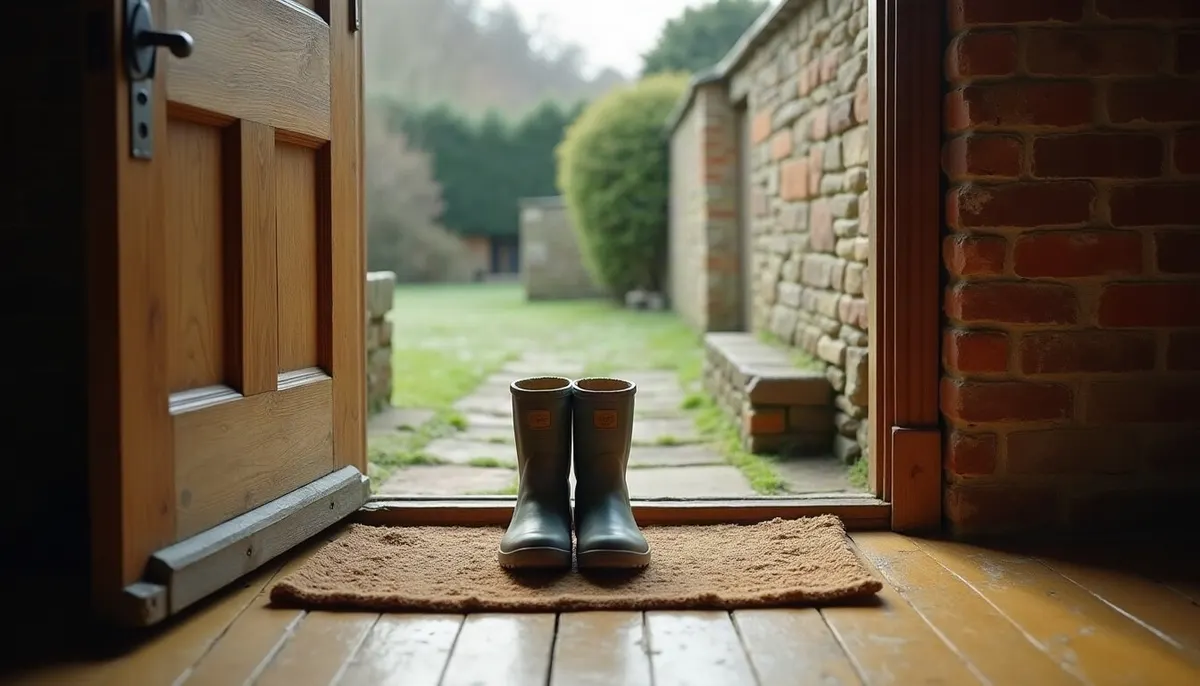
- A coarse scraper mat outside and a softer absorbent one inside, both long enough for two or three steps
- A boot rack or covered bench in the porch, so the worst of the mud comes off before anyone crosses the threshold
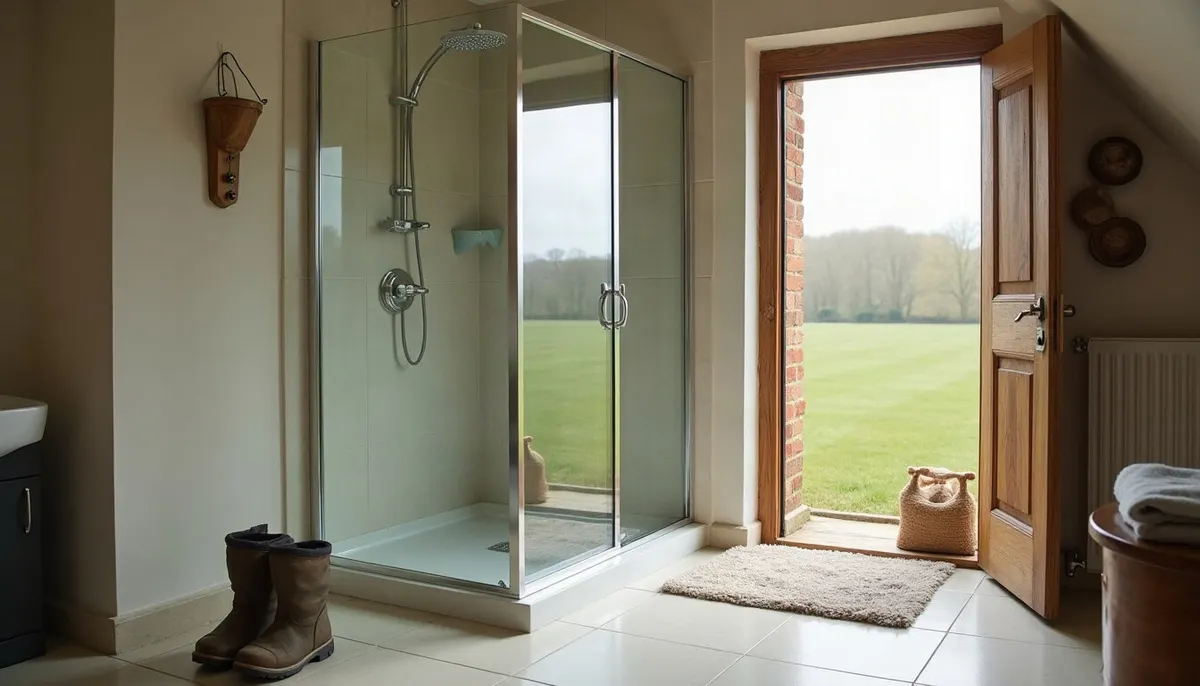
- Somewhere for wet coats to drip that is not the main floor
None of this replaces cleaning, but it changes what the cleaning has to deal with.
A shared building is a busy habitat
My own habit is to walk round a building as a bird would before deciding how to look after it. Shared buildings in the country are often older barns, stables or cottages turned to new uses, and they have more residents than the ones on the staff list.
House martins and swallows may use the eaves and porches in summer. Wrens tuck into ivy on the walls. Bats can roost in roof spaces and behind boards, and in an old building you may never see them, only the odd dropping on a sill below. Spiders, which deserve better than their reputation, keep the window corners busy all year. Wood mice and house mice come in when the fields are harvested and the cold sets in, following the smell of crumbs.
That last group is where cleaning and wildlife meet most directly. A kitchen corner with biscuit crumbs, a bin with a loose lid or a store room where boxes sit on the floor for months is an open invitation to mice. Regular, thorough cleaning of the places where people eat is the single most wildlife-friendly form of pest prevention there is, because it removes the reason for the visit rather than dealing with the visitor.
The other side of it is care. A nest in a porch light fitting or above a door should be left alone while it is in use. If anyone working on the building, cleaners included, finds what might be a nest or a roost, the sensible thing is to stop, leave it as it is and check with someone who knows before anything is disturbed. That is a general rule, and a good one.
Notebook margin: Chalk dust is easy to spot once you know it. It dries almost white on dark floor tiles and gives a faint pale bloom to carpet, and in an old flint building it mixes with lime from soft mortar, so a wipe along a window ledge often comes away chalky even in a dry week.
What the floors and carpets go through
Hard floors in an old building are usually quarry tile, brick, stone or old boards, sometimes with a modern vinyl or laminate laid over the top. Each reacts to chalk mud differently. Tiles and stone take it well but show every footprint. Boards can mark if grit is ground into them. Vinyl and laminate dislike standing water, which is worth knowing when someone mops a muddy floor with a very wet mop.
Carpet is the slow worry. In an office or meeting room it takes the same mud day after day, and the damage is mostly out of sight. Grit sits at the base of the pile, damp holds in the backing, and in a building that is not heated every day the result can be a faint musty smell by the end of winter. Regular vacuuming with a machine that actually lifts grit, prompt attention to spills and wet patches, and a deeper clean at the end of the muddy months all help a carpet last.
Windows deserve a word of their own, because clean glass and birds have an awkward relationship. A sparkling window that reflects the sky or a hedge can look like open air to a small bird. If a building has a window that birds keep hitting, a few stickers or a light screen on the outside usually breaks up the reflection without spoiling the view. It is a small thing to mention to whoever cleans the glass.
Cleaning with the outdoors in mind
Most of what goes into a bucket ends up outside. In the country that may mean a soakaway, a ditch or a septic tank rather than a mains sewer, and from there it reaches the soil, the hedge bottom and, eventually, the water that wildlife depends on. It is worth knowing where the drains from a building actually go.
A wildlife-friendly approach to cleaning a shared workplace tends to look like this:
- Using only as much product as the job needs, and following the label
- Choosing milder products for routine work and saving stronger ones for the jobs that need them
- Not emptying buckets onto the yard, into a field drain or onto the garden
- Keeping bins closed and emptied often, especially food waste
- Leaving the spiders in high corners unless they are genuinely in the way
None of this needs to be complicated, and a good cleaning firm will usually be glad to talk about products and methods if you ask. Ask a few practical questions before work begins: what they use on different floor types, how they deal with carpets through a wet season, how often they would suggest a deeper clean, and whether they are happy to work around a nest or a roost if one turns up.
Bringing in a cleaning firm
There comes a point in most shared buildings where a rota of good intentions stops working. The person who always did the kitchen leaves, the carpet in the meeting room starts to look grey, and nobody is quite sure when the windows were last done. That is usually the moment to bring in a professional commercial cleaner.
The useful thing is to go into that conversation with your own notes. Walk round the building and write down the entrances that take the most mud, the floors and carpets and what they are made of, the rooms where people eat, the times of year when it all gets worse, and anything about the building's wildlife that a cleaner should know. A firm can then suggest a routine that fits the building rather than a generic one, and you can agree on how things change through the seasons. In a place that is quiet in summer and busy and muddy in winter, the routine may not need to be the same all year.
It also helps to agree who does what. Staff can keep on top of daily things like wiping a kitchen surface or shaking out a mat, while the cleaners take on the regular deeper work. That way the building stays tidy between visits and the cleaner's time goes where it makes the most difference.
The year on the chalk
- Winter: check the mats and the porch every week, because this is when the chalk mud is at its worst and carpets take the most wear.
- Spring: book a deeper clean of carpets and hard floors once the ground firms up, and look out for nesting birds before any work near the eaves or porches.
- Summer: clean windows with bird strikes in mind, and keep kitchen areas spotless as the warm weather brings flies and wasps.
- Autumn: seal gaps, tidy store rooms and keep food sealed before the harvest sends the mice looking for somewhere warm.
The fieldfares will bring the mud back every November whatever we do, so it is worth having a building, and a routine, that is ready for them.

Bryony spends early mornings on field edges listening for skylarks and yellowhammers. She writes about farmland birds, hares, wild flowers and the life of the hedges.