Chalk on your boots: what a gardening year does to old wooden floors
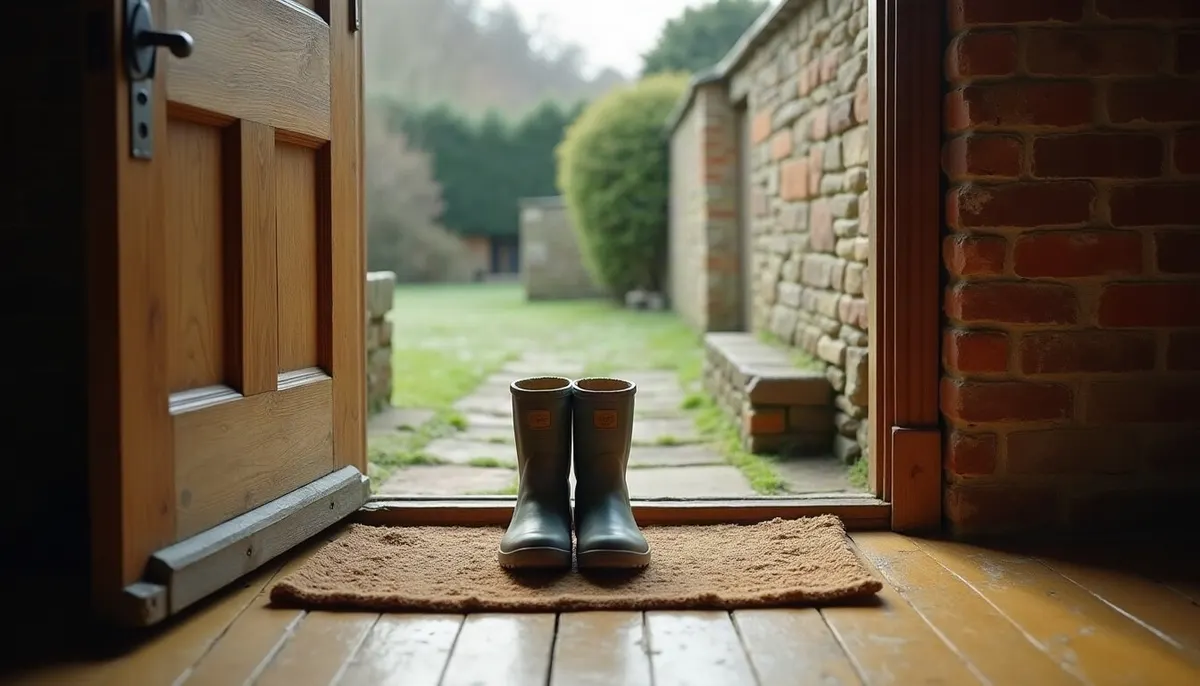
In February the allotment path turns to a pale, sticky paste, and whatever I do, some of it comes home with me. By the time I have pulled off my boots at the back door there is a fine white trail across the kitchen boards, and when it dries it feels like sandpaper underfoot.
Old wooden floors take a lot of punishment from a gardening household, and sooner or later most of them need more than a sweep and a mop. If your boards are in a dry, high city such as Denver, local pages for hardwood floor refinishing Denver homeowners read usually cover what a full refinish involves and when it makes sense. This piece is about the other side of the job: what the garden year does to a wooden floor, how to slow the wear down, and how to tell when it is time to ask a professional.
What the ground outside brings in
Chalk country is hard on floors in a quiet, steady way. The soil here is thin and full of flint, and in wet weather the paths turn to a fine paste that sticks to every tread. When that paste dries it becomes grit: tiny, hard particles that sit on the surface of the floor and get ground in by every step. Over a season they dull the finish, especially in the lines people walk most, from the back door to the sink, from the sink to the kettle.
Gardens elsewhere bring in their own versions. Clay leaves heavy clods, sandy soil leaves something closer to beach sand, and dry, dusty places send in a film of fine dust on the wind. Snow and slush in a cold winter bring water and whatever has been spread on the paths. The common thread is that most wear on a wooden floor is not dramatic. It is the slow work of grit under shoes.
A few habits help more than any polish:
- a stout mat outside the door and a softer one just inside, both shaken out often
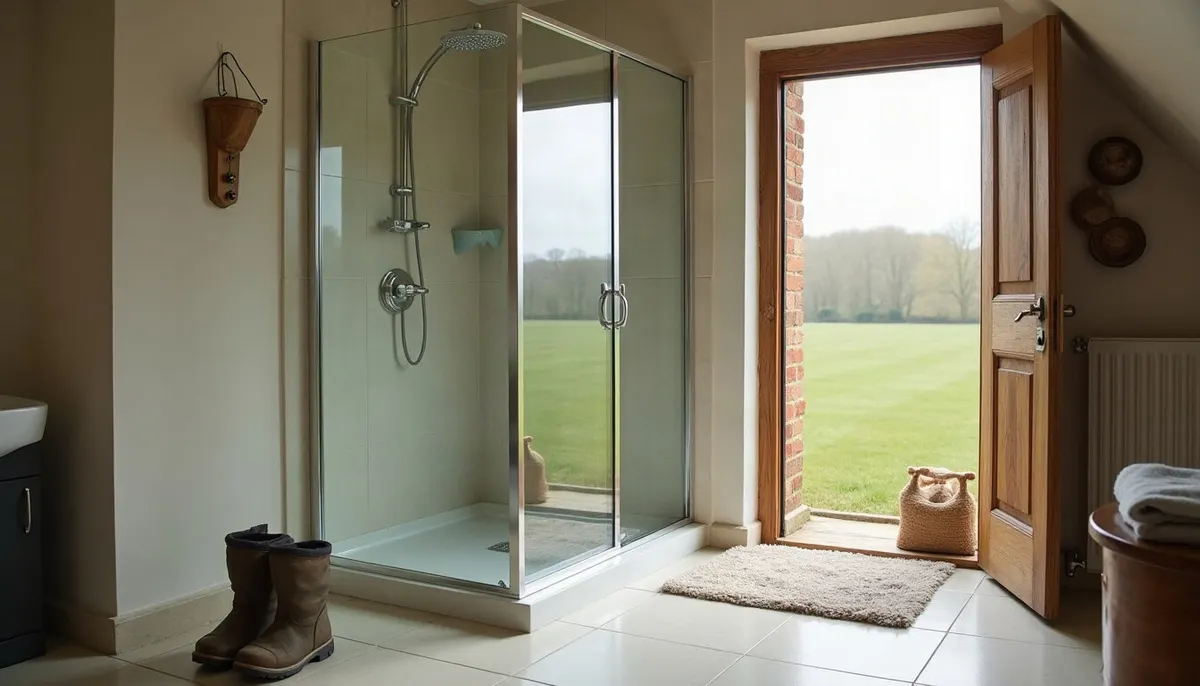
- a boot bench or a corner where garden shoes come off before the boards begin
- a soft broom or a vacuum on a floor setting used little and often, rather than one big clean
- a damp, well wrung mop rather than a wet one, since standing water is no friend to wood
Water, sun and the seasons indoors
The second thing a garden brings into a house is water. Pots of seedlings on the windowsill, trays of cuttings on the kitchen floor in spring, a watering can set down in a hurry: each can leave a ring or a dark patch if water sits on the boards. I learned to put a saucer under everything and a tray under the saucers, and to check that nothing is quietly overflowing after a generous watering.
Light matters too. A south-facing room with big windows will fade and warm the boards nearest the glass, and in a sunny climate that shows quickly. Moving rugs and furniture around now and then helps the colour change evenly, and a curtain or blind drawn in the brightest part of the day does no harm.
Then there is the air. Wood takes up and gives off moisture with the seasons, so boards often show small gaps in a dry winter, when the heating is on, and close up again in a damper summer. In a dry climate such as Colorado's that movement can be more noticeable. It is normal, and nothing to panic about, but it is worth mentioning to anyone who comes to look at the floor, because it affects how and when they would refinish it.
Notebook margin: The chalk here is alkaline and the water is hard, so a mop bucket left to dry leaves a faint white ring, and so does a careless splash on dark boards. A quick wipe with a dry cloth after mopping saves a lot of dull patches, and it is the same lesson the garden teaches about watering: little and often, and never leave it standing.
Reading the floor: wear, damage or something deeper
Before you decide anything, look at the floor properly in good daylight, ideally on a bright winter morning when low sun shows every scratch. I find it useful to sort what I see into three kinds of trouble.
Surface wear
This is the most common: a dull, grey path where people walk, fine scratches near the back door, a loss of sheen. The finish is tired, but the wood underneath may be sound. Sometimes a professional can refresh the finish without taking the boards right back, and sometimes they will advise a full sand and refinish. That decision depends on the finish already on the floor and how worn it is, and it is a good question to ask.
Damage to the wood itself
Deep gouges from dragged furniture, grey or black patches where water has soaked in, boards that have cupped or lifted: these go beyond the finish. A refinish may help, but some boards may need repair or replacement first. Black staining in particular can mean water has been at the wood for a long time, so it is worth finding out where it came from before anything else is done.
Signs to have checked
Soft spots, a bounce in one area, a musty smell or boards that move under your feet are not cosmetic. Leave them alone and ask a professional to look at what is going on underneath. Old houses often have their own stories hidden under the floor, and a good flooring company will tell you when something needs a different kind of specialist.
When to call someone, and what to ask
Refinishing a wooden floor is dusty, skilled work. It usually means sanding back the old finish, dealing with stains and damage, and applying a new finish in careful coats, with the room out of use while it cures. Sanding machines, finishes and their fumes all call for experience, and in an old house the boards may be thinner or more uneven than they look. This is a job I would always hand over.
What I can do is prepare and ask good questions. Clear the room, note any boards that worry you, and think about how the floor is used: dogs, children, a gardener coming in with wet boots. Then ask:
- Does the floor need a full refinish, or would a lighter refresh do for now?
- Which finishes suit a floor that gets heavy use from the back door?
- How long should the room stay empty, and how soon can furniture go back?
- Are there any boards that need repair before refinishing?
- How should the new finish be cleaned and looked after?
Timing is worth a thought as well. Rooms need ventilation while a finish dries, so a mild, dry spell when windows can be opened is more pleasant than the depths of winter or a muggy week. For a gardener, the quietest time is often late autumn, after the beds are put to rest, or late winter, before the seed trays start taking over every sill.
Keeping a refinished floor looking after itself
Once the work is done, the habits from the first section matter even more. A freshly finished floor shows grit scratches quickly, so the mats and the boot bench earn their place on the first day. Felt pads under chairs and table legs stop the dragging marks that undo a good finish. Rugs in the busiest walkways protect the line from the back door.
I also keep a small basket by the door with a soft brush for the dog's paws and my own boots, because a minute spent there saves a lot of sweeping later. Most of looking after a wooden floor is the same as looking after a garden: steady small jobs done at the right time, and a professional brought in for the work that needs proper tools and skill.
The year on the chalk
- Winter: expect small gaps between boards while the heating runs, and keep wet boots and slush on the mat.
- Spring: put trays under every seed pot and cutting, and check for water rings after watering.
- Summer: draw a blind on the brightest windows in the afternoon and shake out the mats often in dry, dusty weeks.
- Autumn: look at the floor in low sunlight and book any refinishing before the windows have to stay shut.
A good floor, like a good border, rewards a little attention every week far more than a burst of effort once a year.

Alice gardens on thin, flinty chalk and keeps an allotment that teaches her something new each season. She writes about cottage plants, vegetables and gardening with birds in mind.