What a hilltop winter teaches you about the water heater
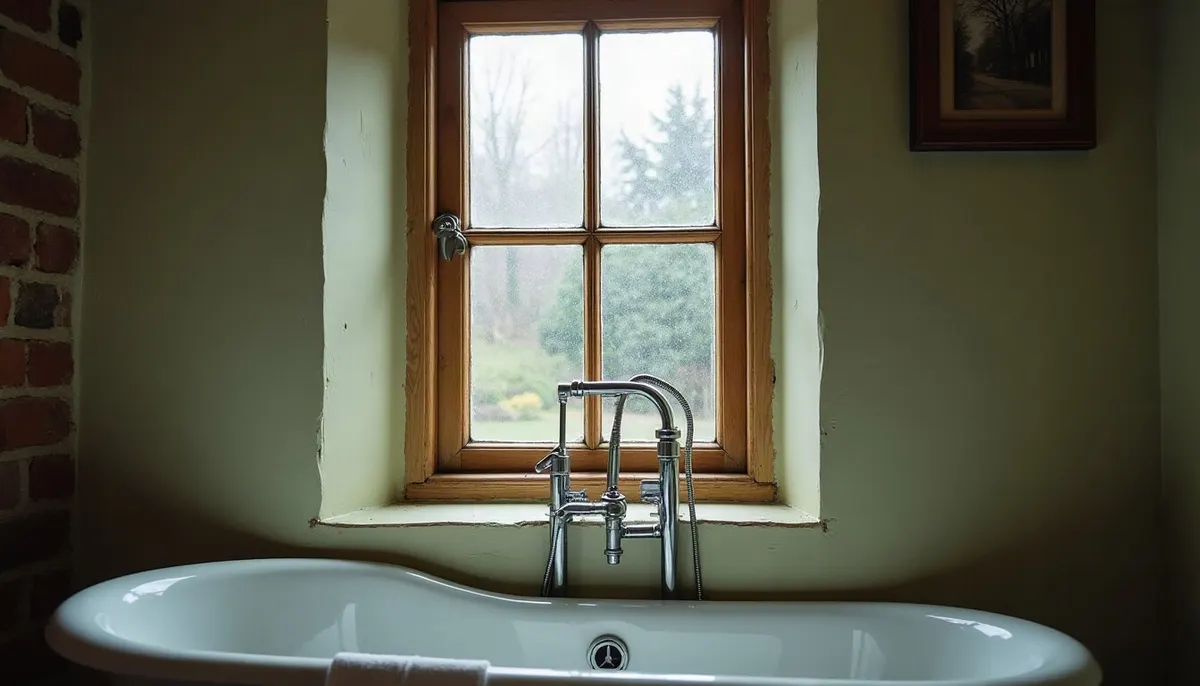
The first hard frost lay white along the verge, and the bath took an age to fill hot. Water that comes in cold off the hill asks more of whatever heats it, and a tank that has spent years drinking hard chalk water does not always have much left to give.
This piece is a checklist for the hot water side of an old house: what the ground and weather do to it, and when to stop nursing a heater along. In Colorado, a plumbing firm whose work runs from drain cleaning to water heater replacement Aurora households can call on is the sort of example I mean: someone who looks at the whole system, not just the tap.
The water that comes off the chalk
Start with what is under your boots. Rain falls on these hills, sinks through the chalk and picks up dissolved minerals on the way down. By the time it reaches your tap it is what everyone calls hard water. You can see it in the kettle, on the shower screen and in the white crust around the outside tap by the allotment.
What you cannot see is the same crust building up inside a water heater. When hard water is heated, some of those minerals drop out as scale. In a tank it settles at the bottom as a gritty layer. In a coil or a heating element it forms a hard coat. Either way it sits between the heat and the water, and the heater has to work longer to do the same job.
None of this happens in a week. It is a slow, quiet process, which is why it catches people out. The heater still works. It just works a little worse each season, and you get used to it.
- A kettle that furs up quickly is a fair sign your heater is collecting scale too.
- Popping or rumbling from the tank as it heats often means a layer of sediment at the bottom.
- Hot water that runs out sooner than it used to can point the same way.
What a hilltop winter adds
Then add the weather. Houses on high ground take the wind full on, and the cold finds its way into anything that runs along an outside wall. The water coming into the house in January is a good deal colder than the water coming in during August. A heater has to lift it further, every time, all winter.
That extra effort shows up first in an old or scaled heater. It may take longer to recover after a bath, or it may cycle on and off more often. If it was already struggling, the first long cold spell is often when it gives up altogether. Heaters have a way of failing on the coldest morning of the year, usually when you have guests.
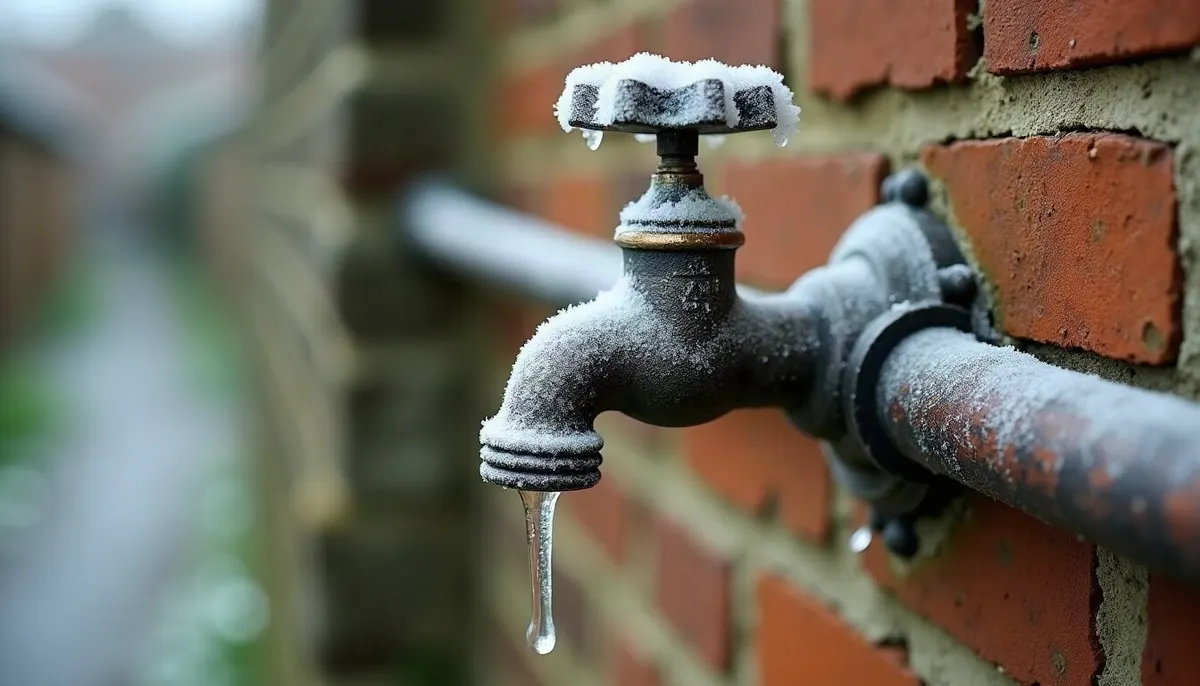
The pipes matter as well. Runs through an unheated lean-to, a loft or a garage are where frost does its damage. A pipe that has frozen once is worth having looked at, because a small split can leak for a long time before anyone notices. A plumber will tell you which runs need lagging and whether anything should be rerouted away from the coldest wall.
Inside the cupboard: signs the heater is tiring
Now come indoors and open the cupboard. You do not need to touch anything. Just look and listen, the way you would check the sky before setting off.
Look
Check the floor around the base of the heater and under any pipes that join it. A damp patch, a tidemark or a little rust on the casing are all worth noting. Look at the hot water from the tap too. Rusty or cloudy water that clears when you run the cold, or a metallic smell, can mean trouble inside the tank.
Listen
A healthy heater is fairly quiet. Knocking, popping, hissing or a steady drip are not things to ignore. Write down when you hear them, during heating, after a bath, at night. That note is useful to whoever comes to look.
Notice
The best evidence is how the house behaves. Baths that cool too quickly, a shower that swings between hot and lukewarm, or a heater that seems to run for ages are all signs of a system working harder than it should. On their own each may be minor. Together they tell a story.
Notebook margin: In chalk country the white crust on a garden tap is the same scale that builds inside a water heater, only you can see it. Old flint cottages often have pipes running along cold outside walls, and those are the runs the frost finds first. If the kettle furs up and the north wall is cold to the touch, it is worth asking about both.
Repair or replace: what a professional checks
This is where you hand over the map. A water heater runs on gas or electricity and holds water under pressure, and that combination is no place for guesswork. Do not open panels, adjust valves or try to drain a tank yourself. Call someone qualified, and let them do the checking.
A good plumber will usually start by asking what you have noticed, which is why the notes from the cupboard help. They will look at the age and condition of the heater, check for leaks and corrosion, look at the safety valve and the venting or wiring as appropriate, and see how much sediment has built up. They will also look at how the hot water reaches the taps, because sometimes the fault is in the pipework rather than the heater.
Then comes the question every householder asks: is it worth mending? A sensible professional will explain the options plainly rather than push one. Some faults are simple repairs. Others, such as a corroded tank or a leak from the body of the heater itself, usually mean it is time for a new one. If the heater is old, has needed several repairs and struggles every winter, replacement is often the more practical answer.
If replacement is on the table, it helps to think about the house as it really is:
- How many people use hot water, and at what times of day.
- Where the heater sits, and whether there is room for something different.
- How hard your water is, and whether the plumber suggests anything to deal with scale.
- Whether any pipe runs to the heater pass through cold spaces that need protecting.
Ask the plumber to explain what they would fit and why. Ask what servicing it will need, and how often. For anything involving permits or regulations, they will know what applies where you live, or the local building department will.
Before you make the call
Plumbers are busy in cold spells, so a little preparation saves time on both sides. Treat it like packing the night before a long walk.
- Find out roughly how old the heater is, if you can. The paperwork from when it was fitted is a good place to look.
- Note the symptoms and when they happen.
- Clear the space around the heater so it can be reached easily.
- Know where your main stopcock is, and make sure it turns. If water is escaping, turning it off is the one thing you should do straight away.
- Keep a towel and a bucket handy, nothing more.
If there is water on the floor, a smell of gas or any sign of scorching, do not wait for a convenient day. Leave the appliance alone, turn off the water if it is leaking, and ring for help at once. A gas smell means getting out and calling the emergency line for your area.
A word on timing. Waiting for the heater to fail outright is the most expensive way to find out it was tired. If the signs are there in autumn, have it looked at before the hard weather comes. A replacement planned in a mild week is a calmer affair than one arranged in a hurry with no hot water and frost on the inside of the window.
The year on the chalk
- Winter: keep an eye on pipes along cold walls and in the loft, and listen for a heater that runs longer than usual.
- Spring: look around the base of the heater for damp or rust after the cold months are over.
- Summer: a quiet season for hot water, and a good time to book a service without a queue.
- Autumn: have an ageing heater checked before the first frost, and lag any exposed pipes.
Like the weather on the hill, a water heater gives you plenty of warning if you bother to look up.

Hugh walks the footpaths and bridleways of the Chiltern edge with a paper map in a plastic sleeve. He writes about routes, stiles, mud and the kit that earns its place in a daypack.