Keeping an old bathroom dry through a hilltop winter
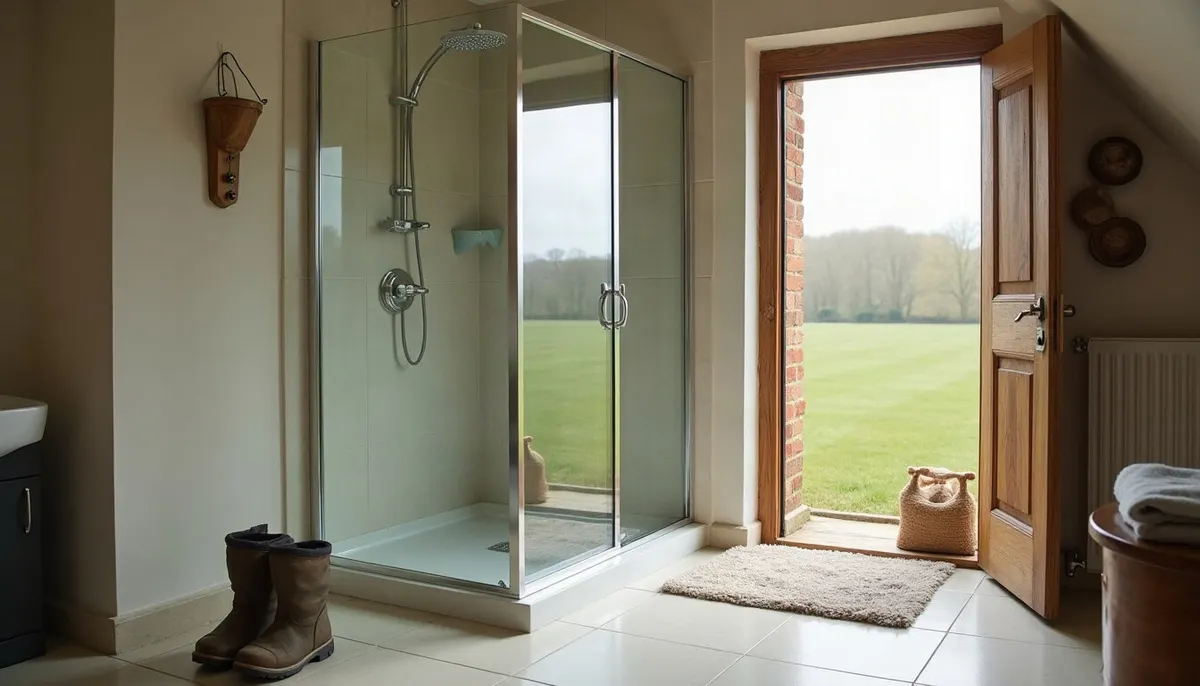
Come back from a wet walk over Lilley Hoo in February and the bathroom does all the work. Boots by the door, coat over the bath, steam on every surface within minutes. In an old cottage that steam has to go somewhere, and if it cannot get out it settles on the coldest wall. The same holds further afield: near Lexington in Kentucky, a contractor whose work runs from basement remodels to a bathroom remodel Lexington KY homeowners are weighing up is the sort of firm to ask.
This is a walker's checklist, not a builder's manual. It works from the outside in: the weather that hits the wall, the wall itself, the air in the room, and then what to sort out before anyone pulls out the old suite. I treat a good builder the way I treat a map. You check your own reading against it before you commit.
The weather comes over the hill first
On high chalk ground the rain rarely falls straight down. It comes sideways on a south-westerly, and it finds the weak spots in a wall the way water finds the low point in a field. Bathrooms in old cottages were seldom part of the original plan. Many were made out of a back bedroom, a box room or a lean-to added at the rear, which means they often sit on the side of the house that takes the worst of the weather and has the thinnest walls.
So before thinking about tiles, look at the outside. Walk round the house after a proper downpour, the kind that sends water off the fields and down the lane, and note what you see.
- Which wall of the bathroom faces the prevailing wind and rain?
- Where are the gutter and the downpipe, and do they overflow?
- Is there a damp patch inside that appears after rain, or one that appears after a bath?
- Does the ground outside slope towards the wall or away from it?
That third question matters most. Damp that turns up after rain is usually getting in from outside. Damp that turns up after a long shower is usually your own steam condensing on a cold surface. They look alike on the plaster and need quite different answers.
Solid walls and what they need
Most of the older houses round here were built with solid walls of brick, flint or both, with no cavity. Those walls were meant to take in a little moisture and let it out again. Problems tend to start when that balance is upset, for instance by a hard, impermeable render outside or a sealed finish on the inside that traps water in the masonry.
A bathroom has to be waterproof where water actually lands: around the bath, the shower and the basin. The rest of the room is a different question. A builder who knows older houses will talk to you about which parts of the wall need a waterproof finish and which are better left able to breathe, and about what is behind the existing plaster before anything new goes on it. If a contractor shows no curiosity about the wall itself, that tells you something.
It is also worth asking what is under the floor. Old bathroom floors hide timber that has had years of splashes and the odd leak, and a refit is the one moment when you can see it properly. Any decision about joists or structure is for a qualified professional, not for you with a torch.
The same thinking applies below ground. Few cottages on the chalk have cellars, but where a house does have a basement room, or a bathroom fitted into one, the walls are in contact with the earth and the air down there is cooler still. Moisture comes in through the walls and floor as well as from the shower, so the question of what is waterproof and what must breathe becomes sharper. That is a conversation to have with a contractor who does basement work regularly, before any finishes are chosen.
The air in the room
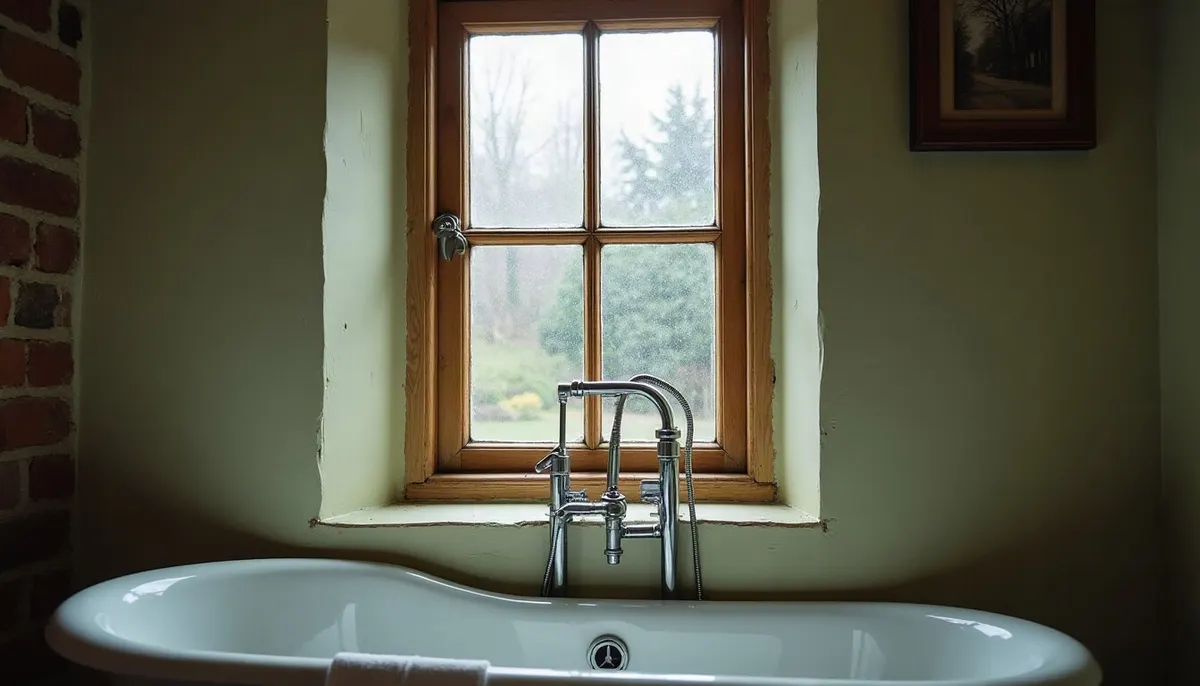
Steam is the main enemy in a bathroom, and the coldest surface in the room is where it ends up. In an old cottage that might be the outside wall, the window reveal or a ceiling with little insulation above it. You see it as black spots in a corner, paint that lifts, or a window sill that never quite dries.
The fix is mostly about moving air. A window that opens properly helps when the weather allows, but nobody throws the casement wide in a January gale. An extractor that vents to the outside, run long enough after a bath to clear the room, does the steady work. A gap under the door lets fresh air in to replace what the fan takes out. Warmth matters too, because warm surfaces collect less condensation than cold ones.
Fans and heaters mean wiring, and wiring in a wet room is for a qualified electrician, full stop. Your part is to say how the room is used: how many people bathe, how long the showers run, whether wet coats and boots dry in there.
Notebook margin: On the chalk tops the wind seldom stops, which is good for drying washing and hard on old walls. You can usually tell which side of a cottage takes the weather by the green streaks and lichen on the brick, and a bathroom on that side needs the most thought before any refit.
Before the old suite comes out
Timing is the part people skip. Bathroom work on an old house goes better in late spring or summer, when windows can stand open, new plaster can dry and nobody minds a day without a bath. Starting in November means drying everything against the weather, and a cold, damp house is no place to cure new materials.
Questions worth asking a contractor
- How will you check the wall and the floor before covering them?
- Where will the extractor vent, and how will the steam actually leave the room?
- Do any water pipes run along an outside wall where they could freeze?
- What happens if you find rotten timber or old damp once the suite is out?
- How long should new finishes be left before the room is used normally?
A sensible firm will answer these plainly and will not mind being asked. The answers also give you a fair idea of whether they are used to older buildings or mainly to newer ones. In a place with hot, humid summers and cold winters, as many parts of Kentucky have, the questions about steam and cold walls apply just as well.
Small jobs you can do now
While you plan, a few things cost nothing but attention. Clear the gutter above the bathroom. Run the fan you already have for longer than feels necessary. Wipe the window after a shower instead of leaving it to run. Keep a note of where damp appears and when. That note, handed to a builder, saves time on both sides.
The year on the chalk
- Winter: note where condensation gathers after a bath, and check the gutter after each gale.
- Spring: walk round the house in heavy rain and watch where the water goes.
- Summer: book any bathroom works while windows can stay open and plaster can dry.
- Autumn: clear leaves from the gutters and gullies before the wet months.
The weather always gets the first word on a hill, so let it have its say before you choose the tiles.

Hugh walks the footpaths and bridleways of the Chiltern edge with a paper map in a plastic sleeve. He writes about routes, stiles, mud and the kit that earns its place in a daypack.