Bath or shower after a muddy walk: thinking through a tub swap in an old cottage
There comes a winter when climbing over the side of a bath after a long walk on frozen chalk feels like one stile too many. A shower you can simply step into is quicker and kinder to stiff knees. Readers in Arizona, where the heat makes a quick rinse more appealing than a long soak, will find that planning a tub to shower Scottsdale project goes better after reading a specialist's own description of the work.
What follows is how I would think the question through in an old cottage on the chalk. It starts with the water that comes out of the ground, moves on to the room you actually have, then to getting in and out safely, and ends with a short list to take to whoever does the work. Like checking a map before a walk, it saves wrong turns later.
Hard water and what it leaves behind
The water in these villages has come up through chalk, and it carries the chalk with it. Leave a drop on a glass screen and it dries to a white spot. Leave it for a month and the spots join up into a haze. A bath hides some of this, because the water runs away down a big white tub. A shower puts hard water on glass, grout, metal and tile at head height, where you see every mark.
That does not argue against a shower. It argues for choosing one with the water in mind. Plain glass is easier to keep clear than patterned glass with edges that trap scale. A shower head you can take off and soak is easier than one fixed in the wall. Fewer joints and corners mean fewer places for scale and mould to settle. A squeegee kept on a hook and used every time does more than any cleaning product.
Hard water is common in many places, not only on chalk. If you are not sure about your own supply, the installer will usually know what the local water does to fittings, and it is a fair question to ask.
The room you actually have
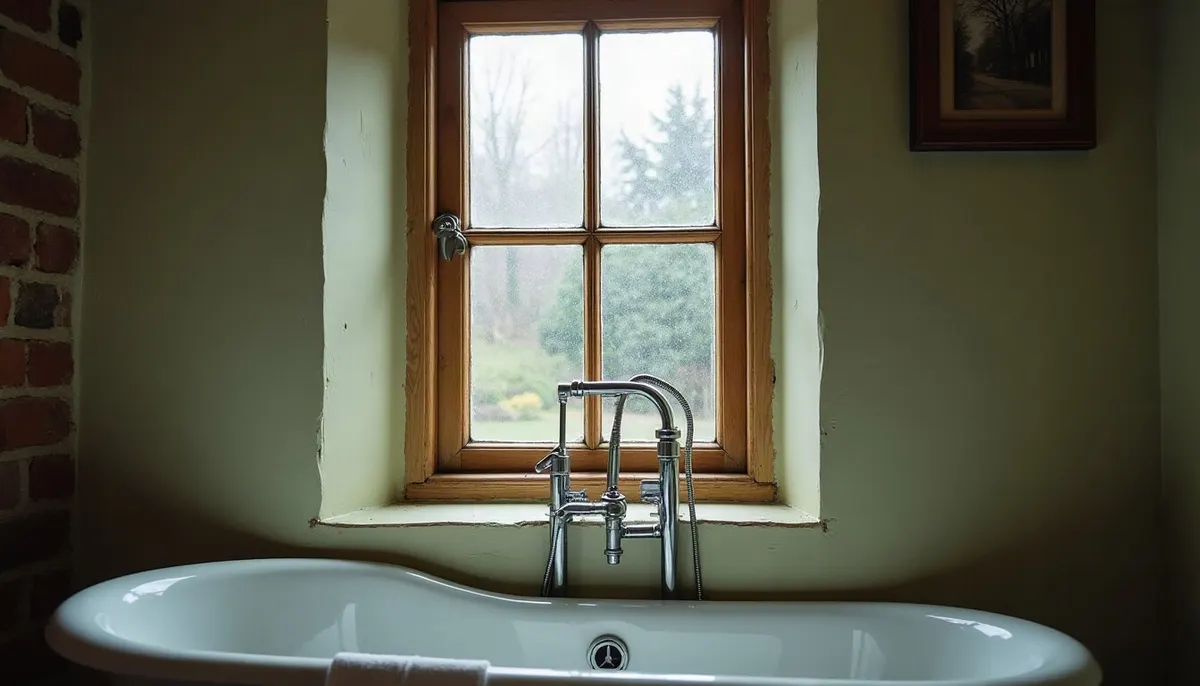
Old cottage bathrooms were rarely built as bathrooms. Floors slope, walls lean, and the window is often exactly where you would want the shower to go. Taking out a bath is the easy part. Making a shower work in the space it leaves is where the planning goes.
A shower tray needs water to run towards the waste, and that waste has to reach the drain with enough fall to keep moving. In an old house the existing bath waste may run somewhere awkward, and the floor may not be level enough to take a low tray without work underneath. These are judgements for a qualified installer to make on site. Your part is to know what you want from the room: how many people use it, whether anyone needs a seat, and whether you would miss the bath in other ways.
That last point deserves a moment. If this is the only bath in the house, think about small children who need bathing, or anyone who relies on a long soak for aching muscles. Some households keep a bath elsewhere and turn the smaller room into a shower room. Others decide the shower wins outright. There is no right answer, only the one that fits your house.
Things to measure and note first
- the width of the bath recess and the height of the window sill
- where the bath waste leaves the room, if you can see it
- whether the floor feels springy anywhere near the bath
- how the door opens, and whether it would clash with a screen
Getting in and out
This is the part my knees care about. A bath asks you to step over a high side onto a curved, wet surface. A shower can ask very little: a low step or none at all, a flat floor and something solid to hold.
A level or low entrance makes the biggest difference. After that comes a floor surface with some grip when wet, and a grab rail fixed properly into the wall by the installer, not a suction cup from a catalogue. A fold-down seat costs nothing in floor space when it is up and is a comfort when it is down. Good light matters too, because a dim shower with steam in it is an easy place to misjudge a step.
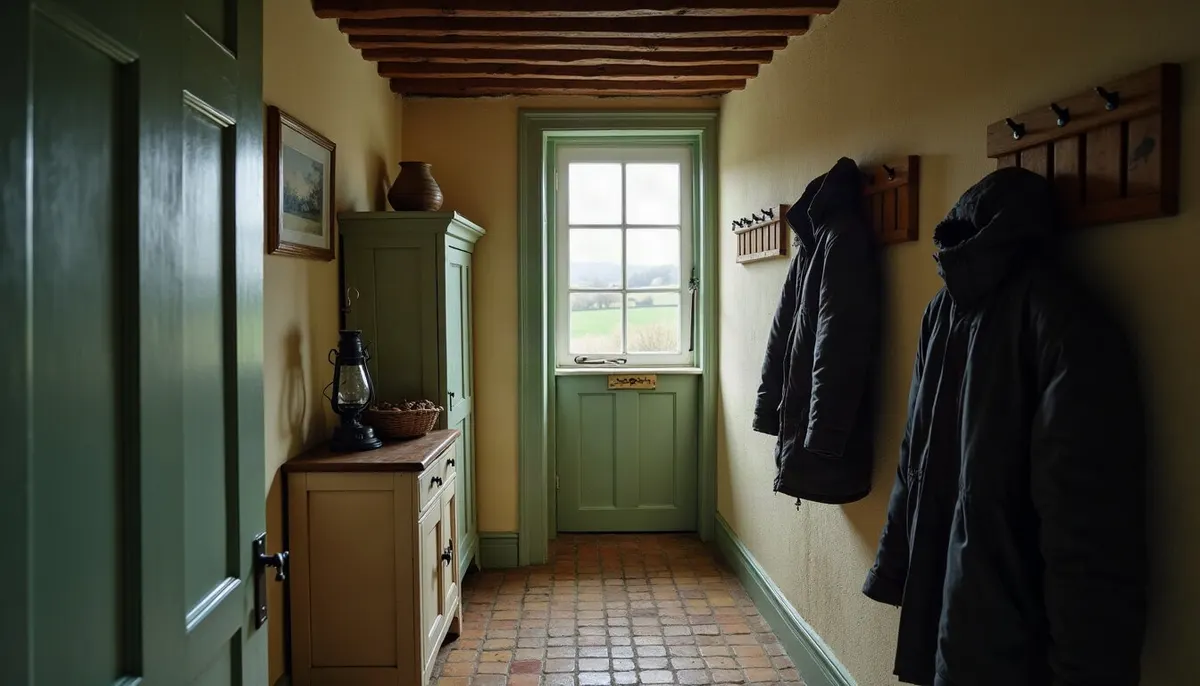
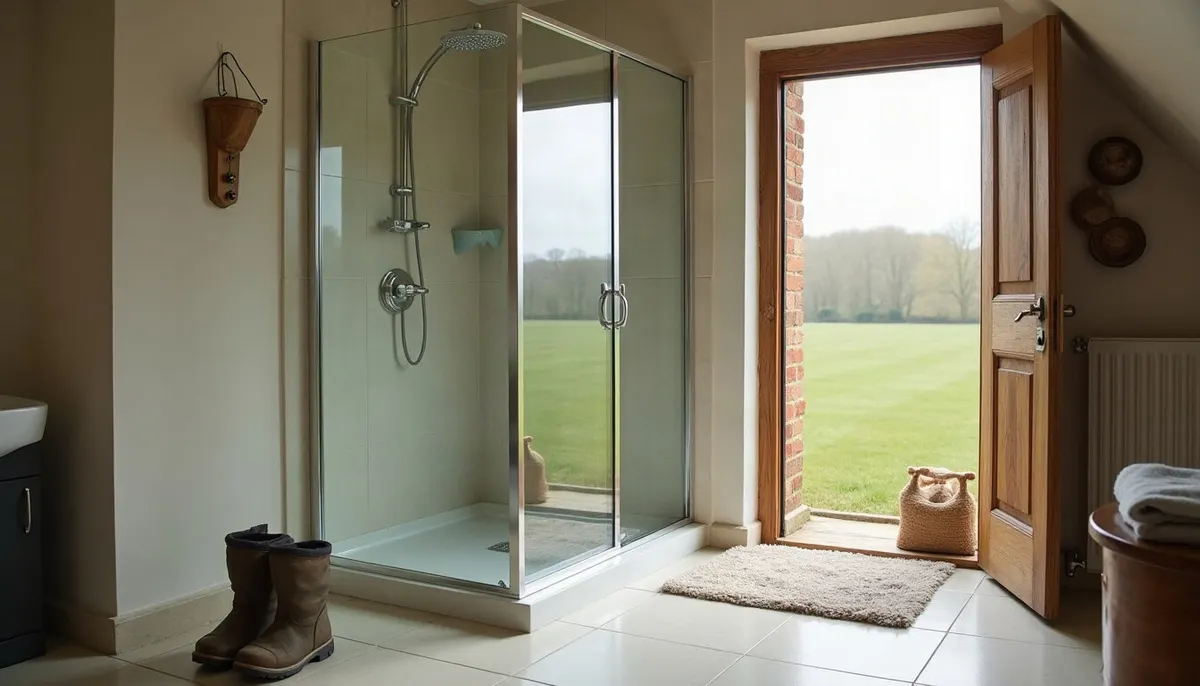
Think about the walk home as well. On a muddy day I want to get boots off by the back door, rinse my legs and be warm inside ten minutes, without carrying the field through the house. A shower close to where you come in, with a hook for a wet coat nearby and a floor that does not mind a little grit, fits that routine far better than a bath upstairs.
None of this needs to look clinical. Plenty of well-made showers have all of it and still look like a pleasant room. If anyone in the house has particular mobility needs, an occupational therapist or a doctor can advise on what would help, and an installer can then build to that advice.
Notebook margin: Chalk paths turn to paste after rain and to polished glass in a frost, and anyone who walks them learns to respect a slippery surface. A wet shower floor deserves the same respect. Grip underfoot and something firm to hold are worth more than any fitting you can buy for looks.
Before you commit
Swapping a bath for a shower is a modest job on paper and a fiddly one in an old house. A short list taken to the first meeting with an installer keeps the conversation on the things that matter.
Questions to take with you
- Where will the waste run, and is the floor suitable for the tray you have in mind?
- What will go behind the tiles or panels to keep water out of the wall?
- How will steam leave the room, and does the extractor need upgrading?
- Can the water heater keep up with the showers your household takes?
- How long will the room be out of use, and what happens if something unexpected turns up under the bath?
The extractor and the water heater are worth asking about together. A shower turns the bathroom into a steam room faster than a bath does, and in an old house with solid walls that steam needs a way out. Any work on electrics or the heater itself is for qualified people.
A good firm will look at the room before quoting, ask how you live, and explain the choices without hurrying you. If the answers are vague about drainage or waterproofing, keep looking. In a hot, dry place the questions about water and steam may weigh a little differently, but they are the same questions.
The year on the chalk
- Winter: notice how often the bath feels like a climb, and write down what you would change.
- Spring: measure the room and look at where the waste and the window sit.
- Summer: have the work done while windows can stay open and new finishes can dry.
- Autumn: check the seals and descale the shower head before the long wet months.
A shower will never replace the pleasure of a long hot bath after a winter walk, but it will get you warm and dry sooner, and on a cold evening that counts for a lot.

Hugh walks the footpaths and bridleways of the Chiltern edge with a paper map in a plastic sleeve. He writes about routes, stiles, mud and the kit that earns its place in a daypack.