Leaving the car behind: group days out by coach, from the chalk to the mountains
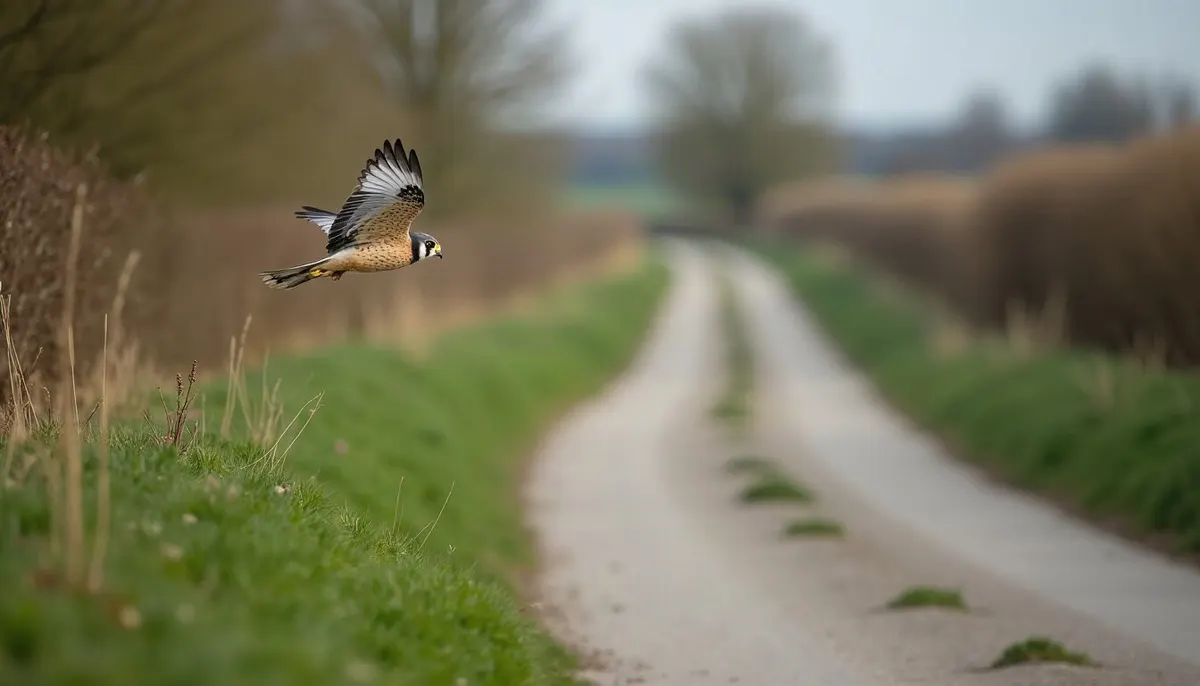
From a coach window you see a hedge the way a kestrel does: from a little above, in long unbroken stretches. On group outings along the edge of the chalk I have watched kestrels hang over the verges while the driver dealt with the lanes and the rest of us simply looked. Planning a group trip is easier when someone else drives, and for readers in Colorado heading up to the mountains, a company such as Denver Charter Bus Co Colorado is one to look at for the run to Aspen.
This piece is about leaving the car behind. It starts with the lanes and the weather that make driving to a walk harder than it looks, moves on to what you notice when you are a passenger, then to planning a day out for a group, and ends with a few thoughts on the very different matter of mountain travel.
Why the car stays at home
The lanes round these villages were made for carts and cattle, not for a convoy of family cars heading to the same footpath. They are narrow, bendy and sunk between high banks in places, and the verges are soft after rain. Parking at the start of a popular walk is limited, and a row of cars on a verge does no favours to the wild flowers or to the farmer who needs to get a tractor through.
There is also the matter of who drives. Someone has to, and that person spends the outing watching the road, missing the views and skipping the pub lunch drink. On a group day out, sharing one vehicle with a driver who knows the job solves all of that at once. Everyone arrives together, nobody gets lost, and the parking problem shrinks to one space.
Weather plays its part too. A sudden downpour on the chalk turns lanes to streams and gateways to mud. A professional driver used to such conditions, in a vehicle built for them, is a calmer prospect than a convoy of hatchbacks feeling their way along a flooded lane.
What you see from higher up
The best part of being a passenger is the view. Sitting higher than a car, you see over the hedges into the fields, and the countryside opens up in a way it never does from behind a steering wheel.
In spring you might spot hares in the young crops, sitting upright or chasing across an open field. Kestrels hover over the verges, tails fanned, watching the grass below. Buzzards circle on warm air above the slopes, and red kites, now a familiar sight over the Chilterns, drift low over the fields with that forked tail tilting as they steer. In autumn the stubble fills with flocks of finches and the odd lapwing, and the hedges turn red with haws.
A coach outing becomes a moving birdwatch if you let it. I tell anyone who comes along to sit on the side away from the sun, keep binoculars in their lap and call out what they see. Children are often the best spotters, because they have not yet learned to look only at the road ahead, and a hare in a field will keep a row of them quiet for longer than any game.
Notebook margin: The hedges along the chalk lanes are often old field boundaries, thick with hawthorn and blackthorn, and they look quite different from above. From a coach you can see the birds moving along the top of the hedge, the gaps where hares slip through and the field edges where the wild flowers grow.
Planning a group day out
A good group outing depends far more on planning than on luck. Whether it is a walking group, a family gathering or a wedding party, the questions are much the same:
- How many people are coming, and what are their walking abilities?
- Where and when will everyone be picked up, and how long will the drive take?
- Where are the stops for toilets, meals and rests?
- What happens if the weather turns, and is there a wet weather plan?
- Is there space for bags, boots, coats and any special equipment?
It helps to have one person as the organiser, with a list of names and phone numbers, and a clear time for the trip home. Allow more time than you think for everything, because groups move slowly and someone always wants one more look at the view.
For a walking group, choose routes that suit the slowest walker, and check that the start and finish are places where a large vehicle can stop safely. For a family event or a wedding, think about older guests, children and anyone who might need help getting on and off. Booking ahead, especially at busy times of year, saves a lot of last-minute worry.
Kit for the day
Pack the usual walking kit: waterproofs, warm layers, sturdy boots, a flask, snacks and a small first aid kit. Add a bag for muddy boots, a towel and a change of socks for the ride home. Binoculars and a field guide turn the drive into part of the day out.
Mountain trips are a different matter
All of this applies in the chalk hills of Hertfordshire, where the roads are small and the hills are gentle. In a place like Colorado, the mountains are on another scale entirely. Roads from Denver to resort towns such as Aspen, Vail and Breckenridge climb high, and in winter they can bring snow, ice and closures that a driver from lower ground may never have met.
That is where a professional driver earns their keep. Mountain roads in bad weather are no place for a nervous driver in an unfamiliar hire car. Groups heading up for a ski trip, a wedding or a family holiday can sit back and watch the snow while someone experienced deals with the road.
Altitude is another thing to think about. People coming from lower ground often feel the height, especially on the first day. Drinking plenty of water and taking things gently is the usual advice, and anyone with a health condition should ask a doctor before travelling high.
When booking any group transport for the mountains, it is worth asking the operator about luggage space for skis and bags, how they plan around winter weather, what happens if a road closes, and how timings work for groups arriving on different flights. Clear answers to these questions are a good sign.
The wildlife there will be strangers to most of us from the chalk, and I would not pretend to know it. But the principle is the same: sit by the window, keep the binoculars close and let someone else watch the road.
The year on the chalk
- Winter: plan group outings around short days and check the weather before you set off.
- Spring: watch the fields from the coach window for hares in the young crops.
- Summer: book transport early for weddings, family gatherings and walking group trips.
- Autumn: look for finches and lapwings over the stubble as the fields are cleared.
A day out is always better when nobody has to worry about parking, and the kestrels seem to agree that the view from above is the best one.
Bryony spends early mornings on field edges listening for skylarks and yellowhammers. She writes about farmland birds, hares, wild flowers and the life of the hedges.